

Home Economics Classes
Skills for Life
Technology has made everyday life easier in countless ways. We can order dinner with an app, replace a torn shirt with a click, have groceries delivered to our doors, and find someone to perform almost any household task. But convenience can have an unintended consequence: children have fewer opportunities to learn the practical skills required to care for themselves, their belongings, and eventually their own homes. At Beehive Academy, we believe these skills still matter. Our Home Economics & Practical Life Program gives children hands-on opportunities to learn useful skills they can carry with them for the rest of their lives. Students don't just hear about how something is done. They learn to do it. They learn how to sew on a button, mend clothing, prepare simple foods, preserve food, organize a room, understand fabrics, remove stains, crochet, sew, quilt, decorate food, plan a living space, and take care of the everyday things that make a household work.
Why Teach Home Economics Today?
Home economics was once a regular part of a child's education. Students learned cooking, sewing, food preservation, household organization, budgeting, clothing care, nutrition, and other practical skills. Many children today have far fewer opportunities to learn these things. Something as simple as sewing on a missing button can teach fine-motor skills, patience, problem-solving, independence, and the idea that something does not need to be thrown away simply because it is damaged. Learning to organize a kitchen teaches categorization, planning, safety, efficiency, and executive functioning. Following a recipe requires reading, sequencing, measurement, fractions, attention, and following directions. Making a quilt involves mathematics, measurement, pattern recognition, design, fine-motor skills, persistence, and creativity. Home economics is not simply about taking care of a house. It is about learning how to take care of yourself and your environment.
Our Home Economics Curriculum
Sewing & Clothing Care
Hand Sewing • Buttons • Mending • Hemming • Fabric • Clothing Care • Simple Sewing Projects
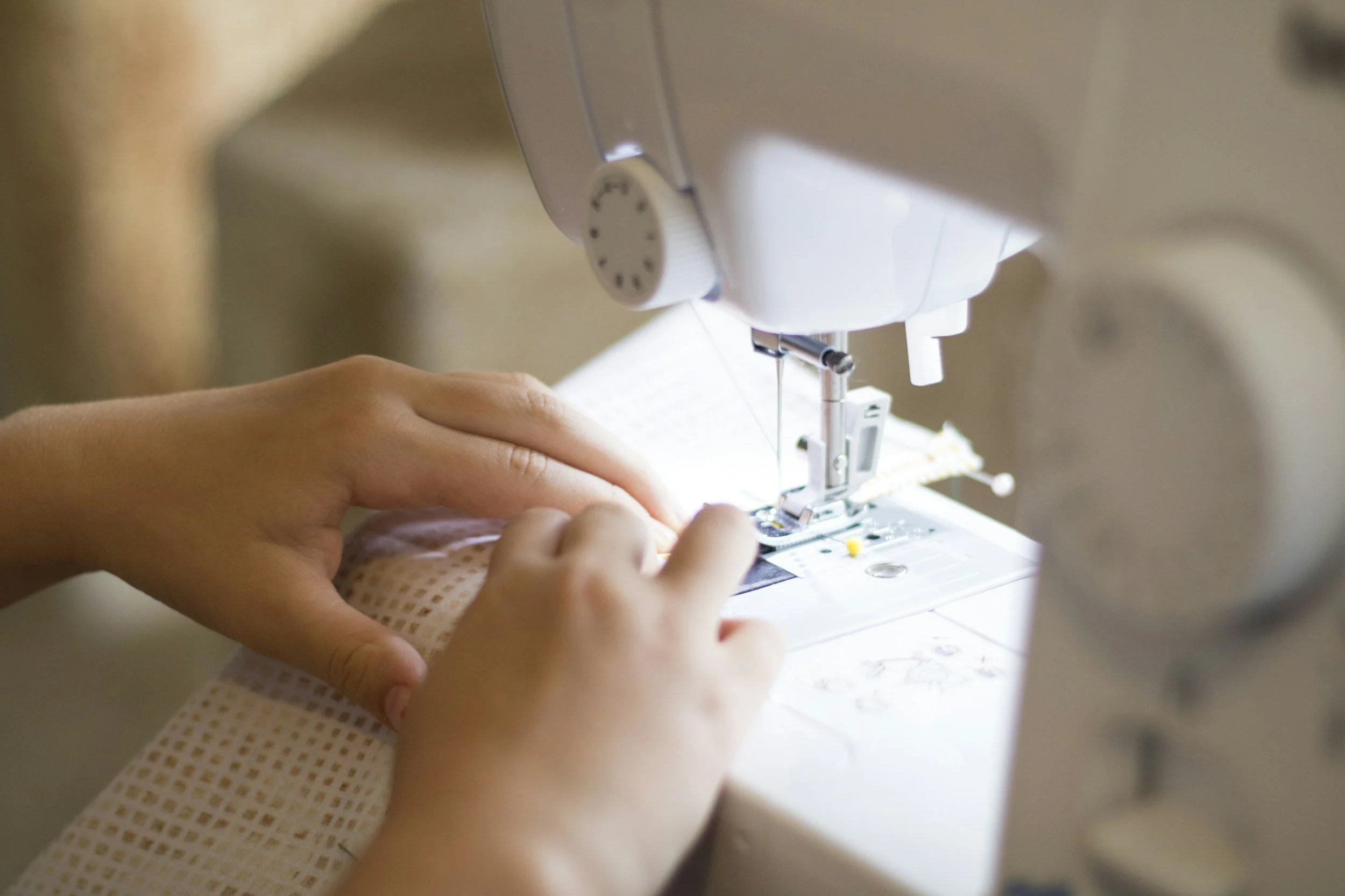
Students learn basic sewing skills and how to care for clothing. They practice threading a needle, sewing basic stitches, replacing buttons, repairing small tears, understanding different fabrics, and completing age-appropriate sewing projects.
The goal is simple: before throwing something away, learn whether you can fix it.
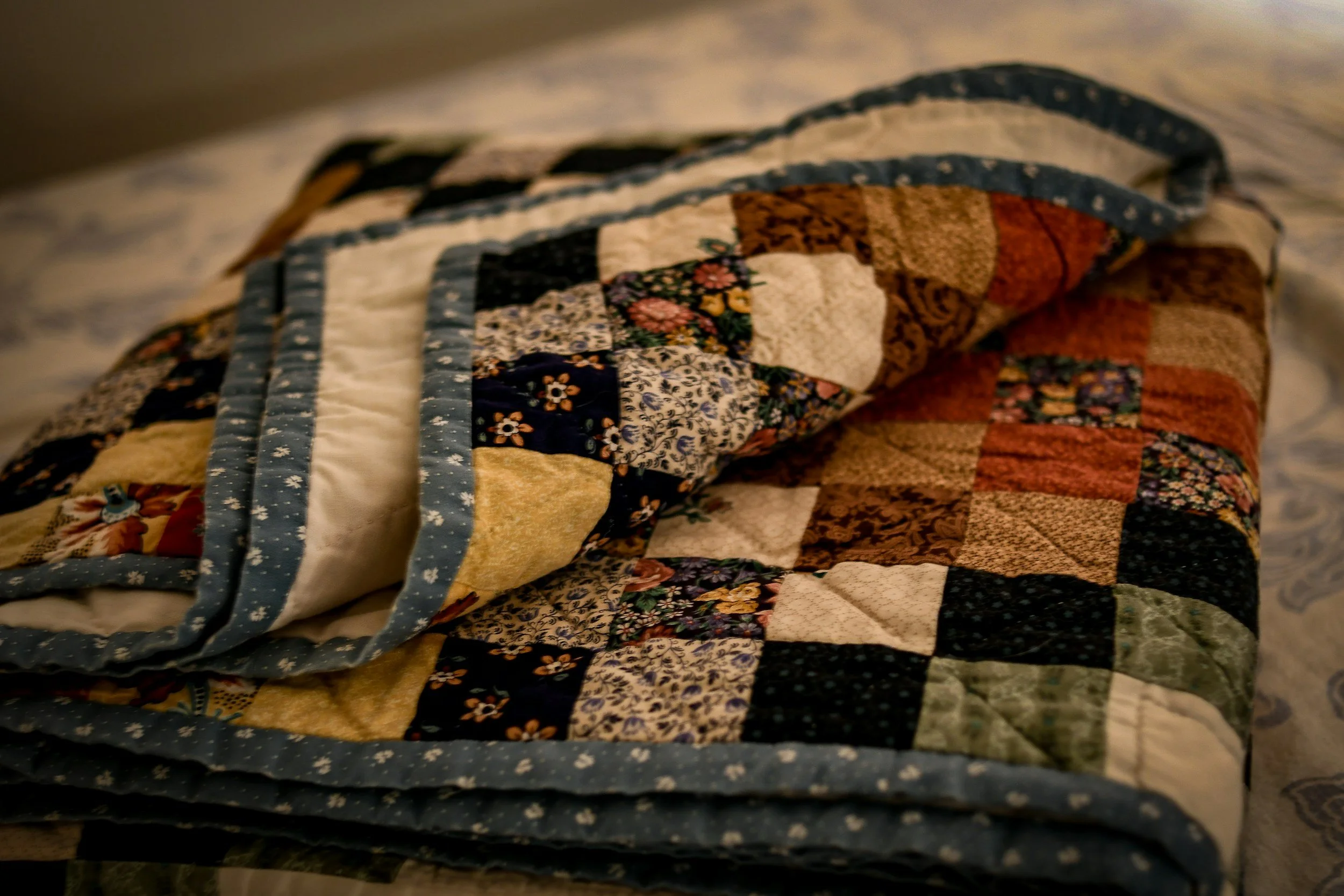
Quilting
Patterns • Measuring • Fabric Selection • Cutting • Piecing • Design • Sewing
Students discover the tradition and practical skills behind quilting while creating projects of their own. Quilting naturally incorporates mathematics, patterns, measurement, planning, fine-motor skills, patience, and creativity.
Students also explore the history of quilts and how quilts have been used to preserve family traditions, tell stories, commemorate events, and create useful objects for the home.
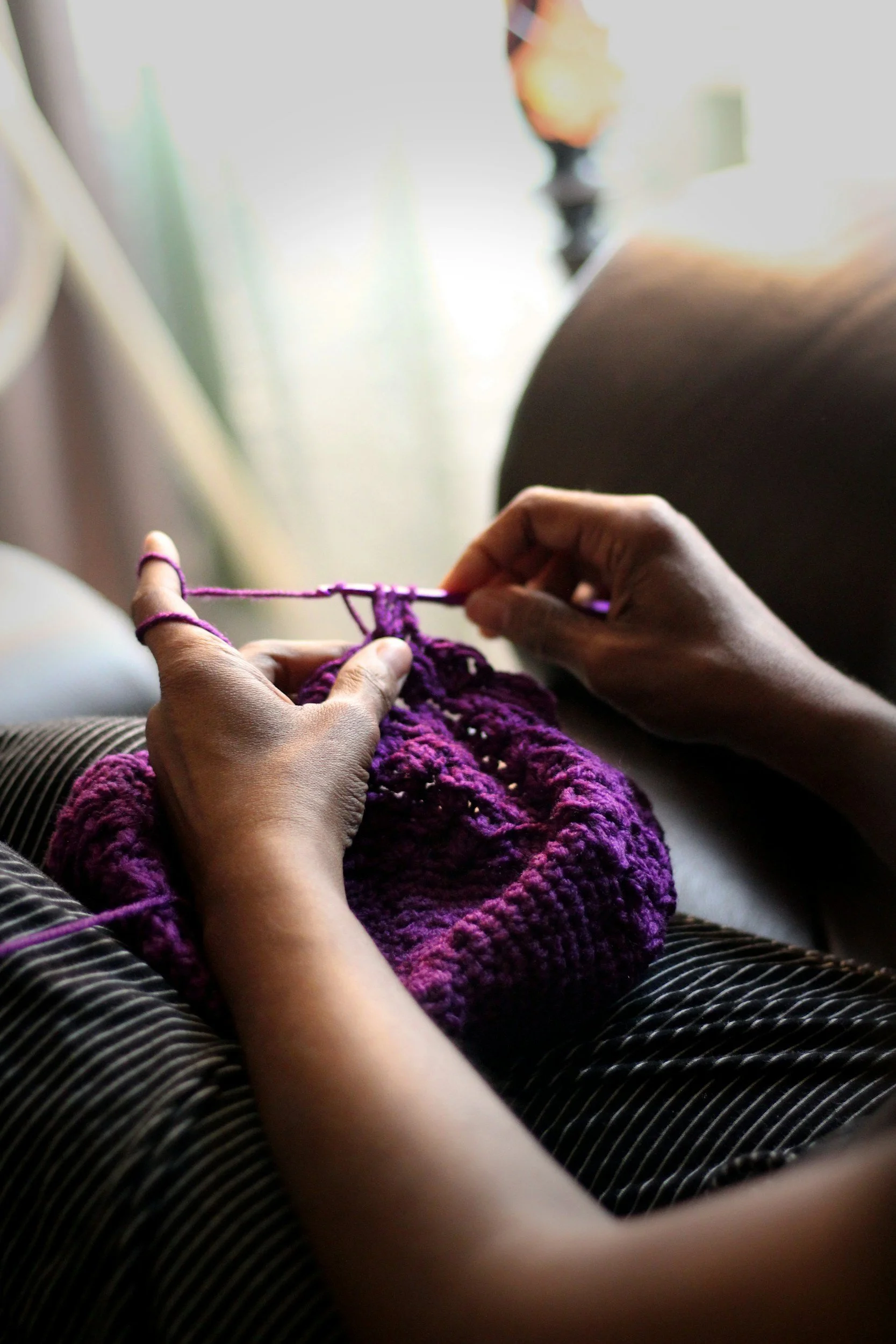
Crochet & Fiber Arts
Yarn • Crochet • Basic Stitches • Patterns • Fiber Arts • Handmade Projects
Students learn foundational crochet and fiber-art techniques while developing bilateral coordination, fine-motor control, visual attention, sequencing, and persistence.
They experience something increasingly rare: beginning with basic materials and gradually turning them into something useful with their own hands..
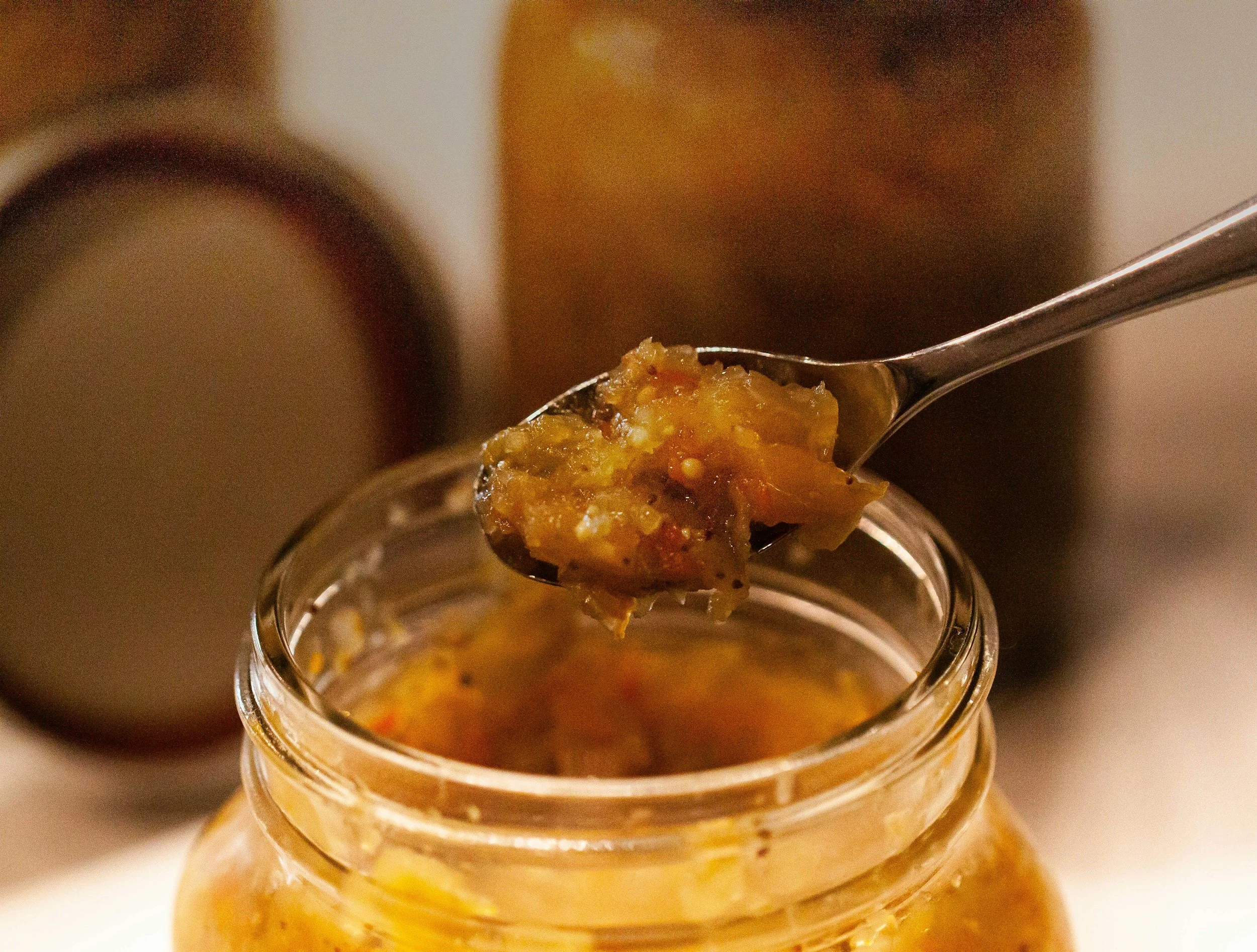
Food Preservation & Canning
Gardens to Pantry • Food Preservation • Canning • Jams & Jellies • Fruits & Vegetables • Food Safety
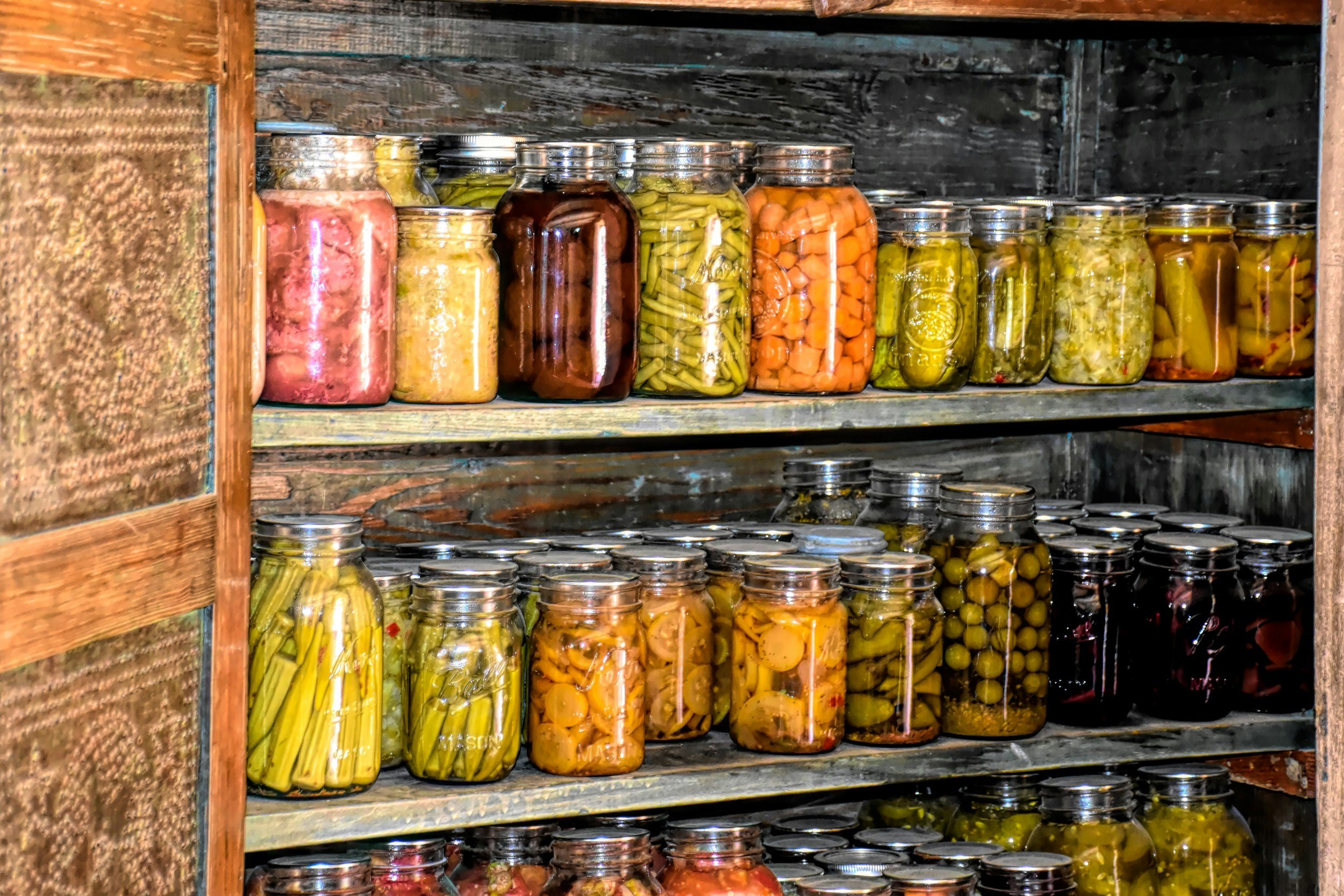
Students learn why families historically preserved food and how food can be safely prepared and stored.
Age-appropriate lessons introduce the concepts behind canning and food preservation while incorporating measurement, sequencing, science, agriculture, nutrition, food safety, and history.
Adult instructors handle any procedures involving heat or equipment that are not appropriate for children.
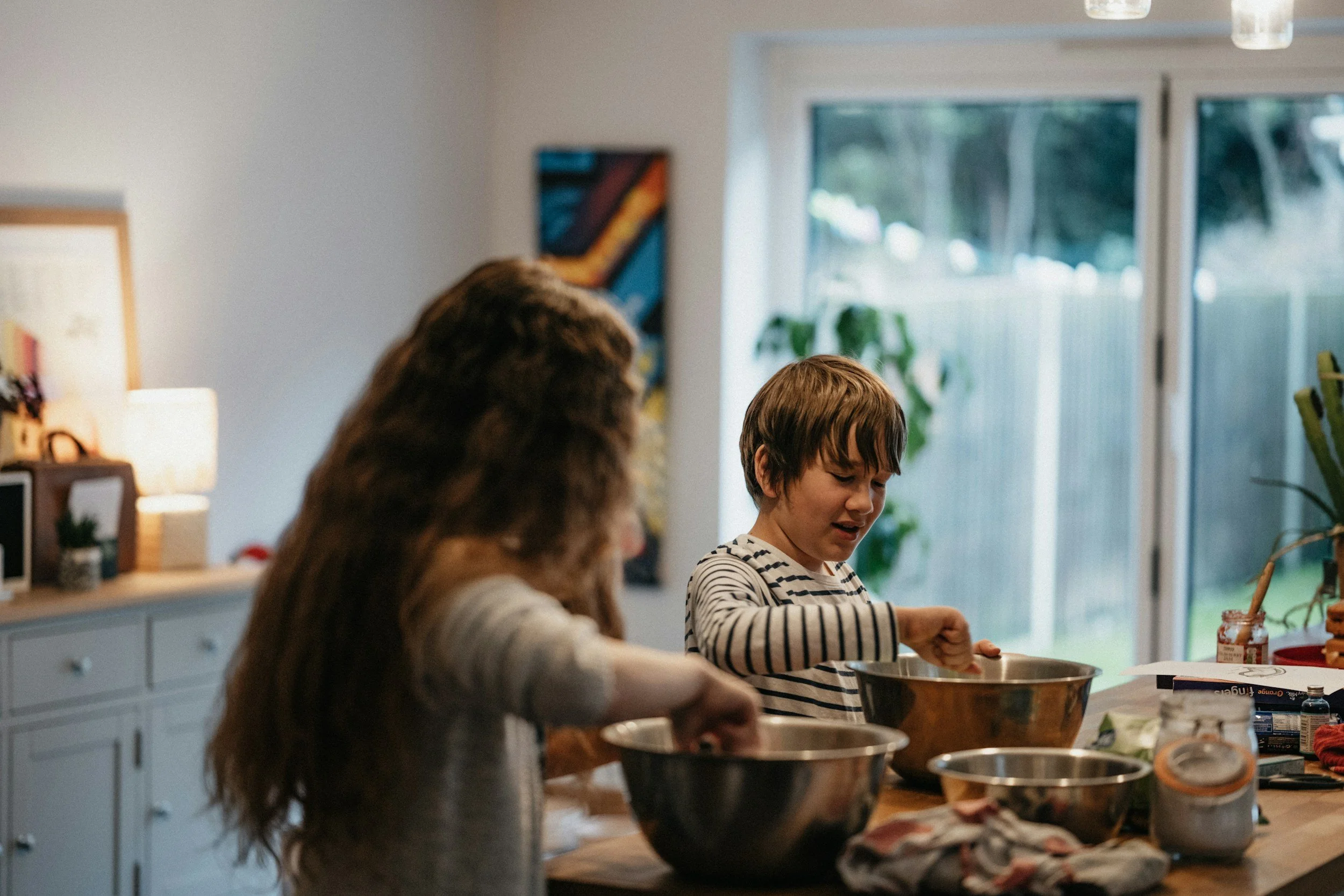
Cooking Without Heat
Measuring • Following Recipes • Nutrition • Kitchen Safety • Food Preparation • Independence
Students learn to prepare simple foods without using a stove or oven.
They practice reading recipes, measuring ingredients, following a sequence, safely using appropriate kitchen tools, preparing ingredients, cleaning their workspace, and serving food.
Cooking becomes a practical lesson in reading, math, science, independence, and responsibility.
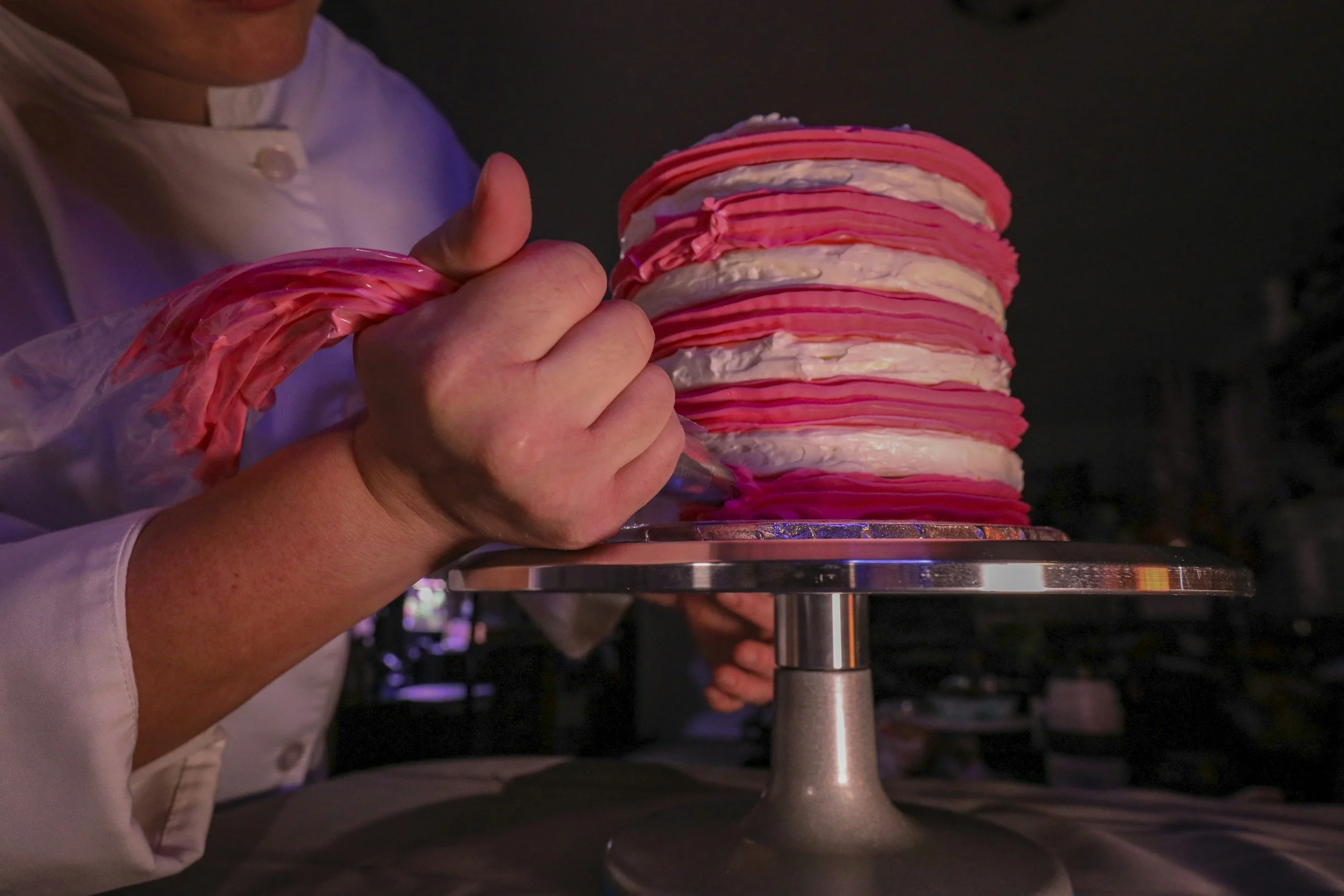
Baking & Decorating
Cookies • Cakes • Frosting • Decorating • Measuring • Design • Presentation
Students explore the creative side of food preparation through age-appropriate cookie and cake decorating.
They learn about measuring, following directions, color, design, symmetry, patterns, presentation, cleanliness, and kitchen organization while creating something they can proudly share with others..
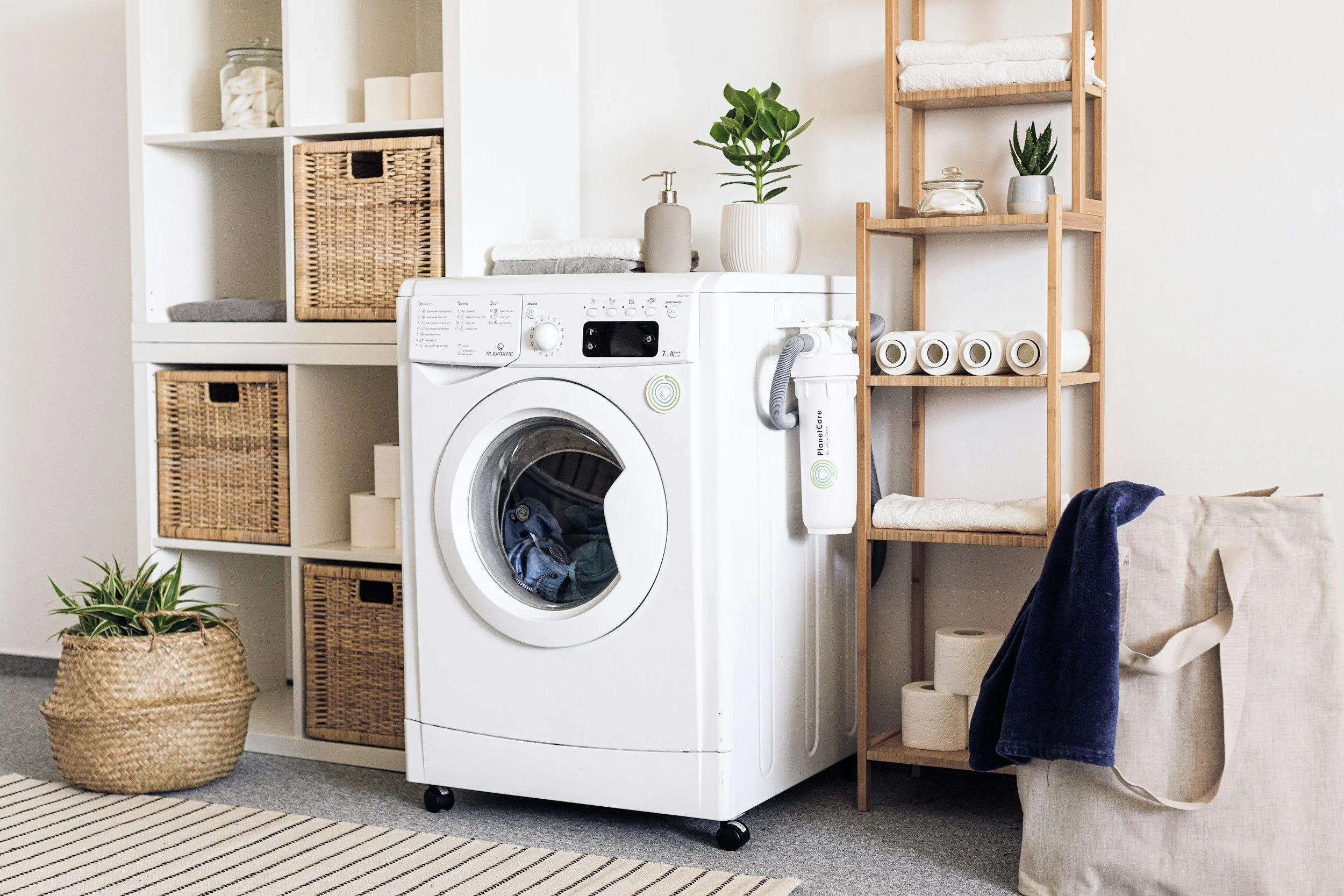
Laundry & Clothing Care
Sorting • Stain Removal • Washing • Drying • Folding • Clothing Labels • Fabric Care
Children learn that taking care of clothing involves more than putting it into a washing machine.
Students learn how to read clothing-care labels, sort laundry, understand basic washing and drying instructions, fold clothing, identify common stains, and learn age-appropriate methods for treating them.
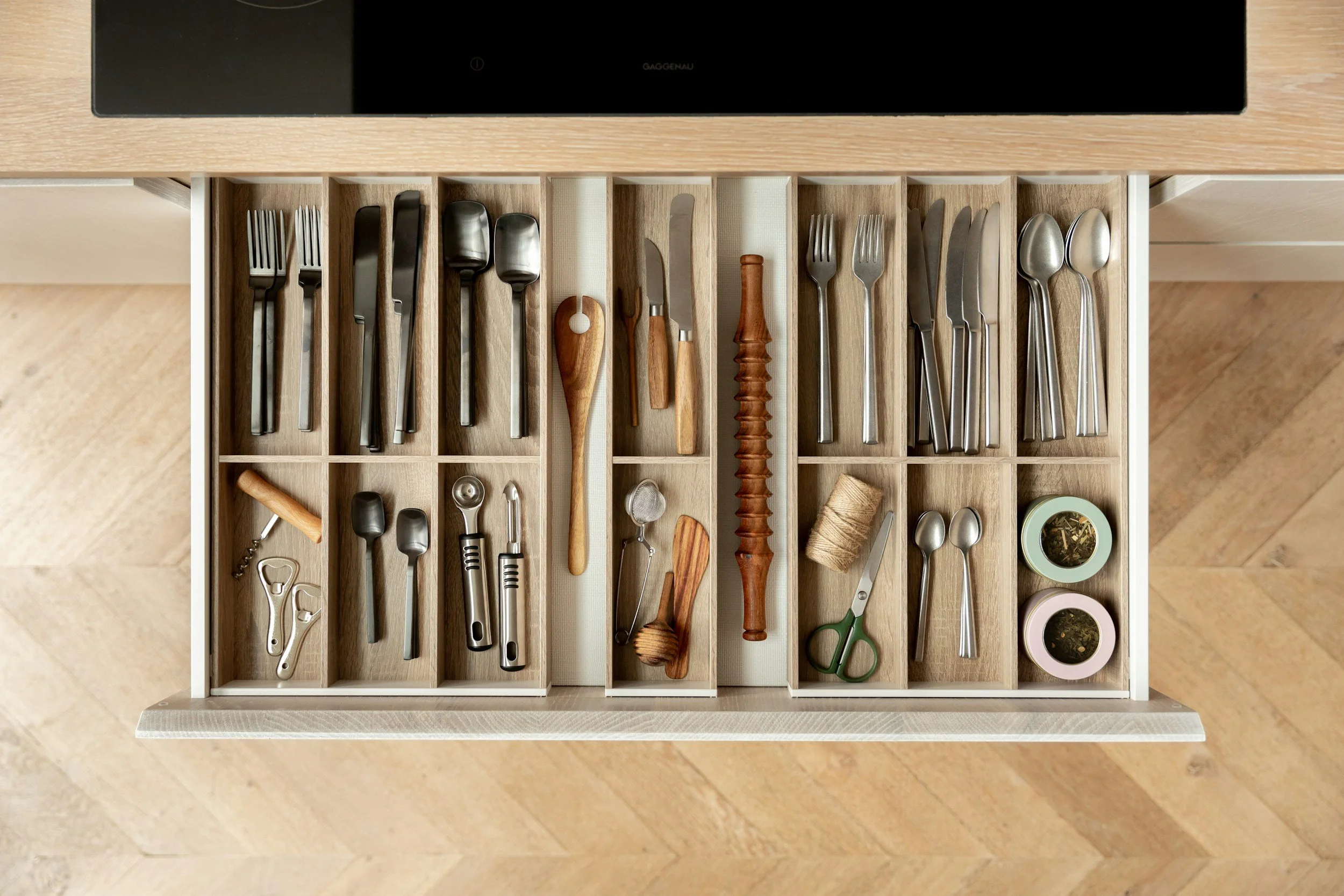
Household Organization
Kitchens • Living Rooms • Bedrooms • Storage • Cleaning • Categorization • Routines
What belongs where—and why?
Students learn how thoughtful organization makes a home safer, easier, and more pleasant to use.
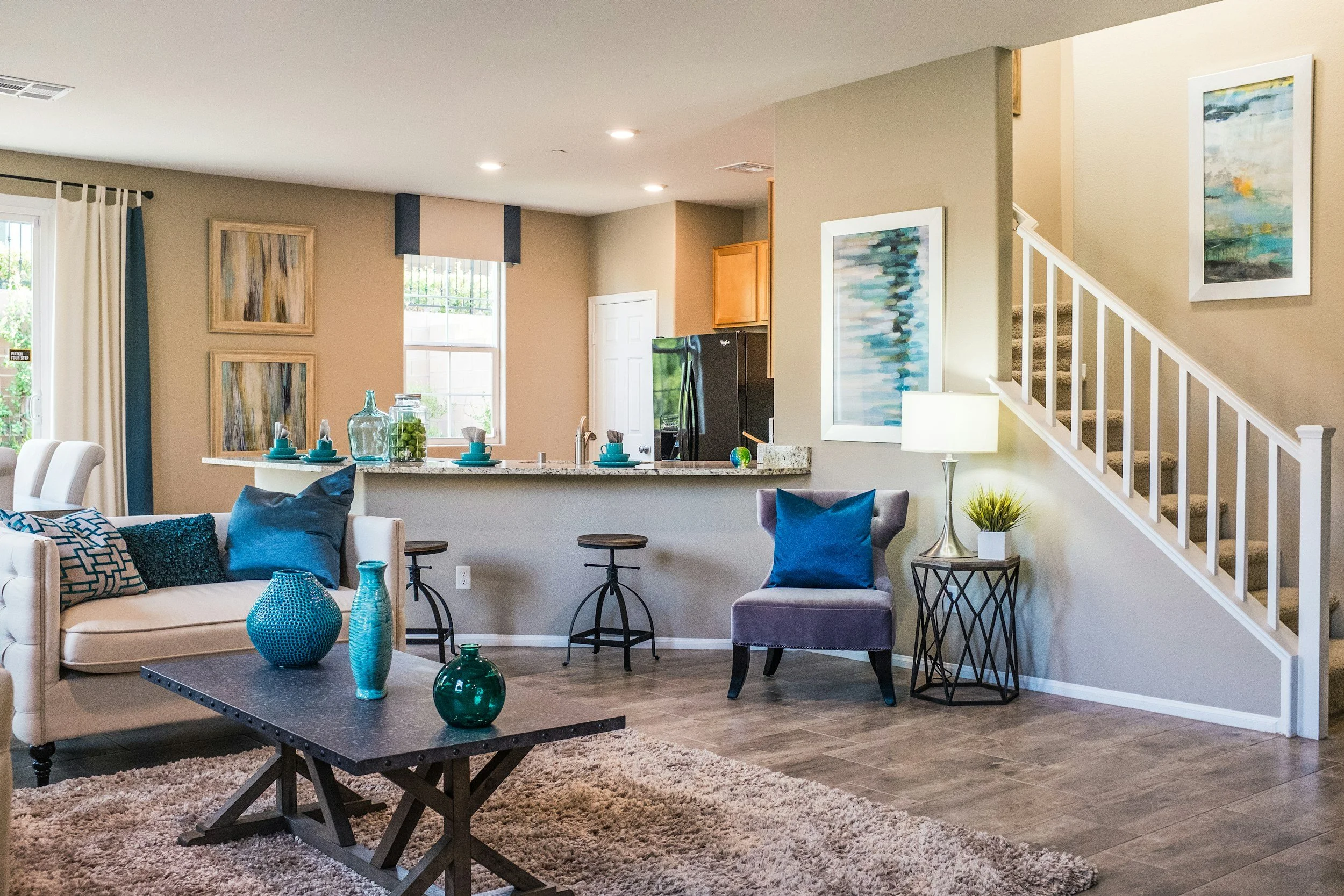
They practice categorizing household items, planning storage, organizing kitchens and living spaces, creating simple household routines, and considering how frequently used items should be arranged.
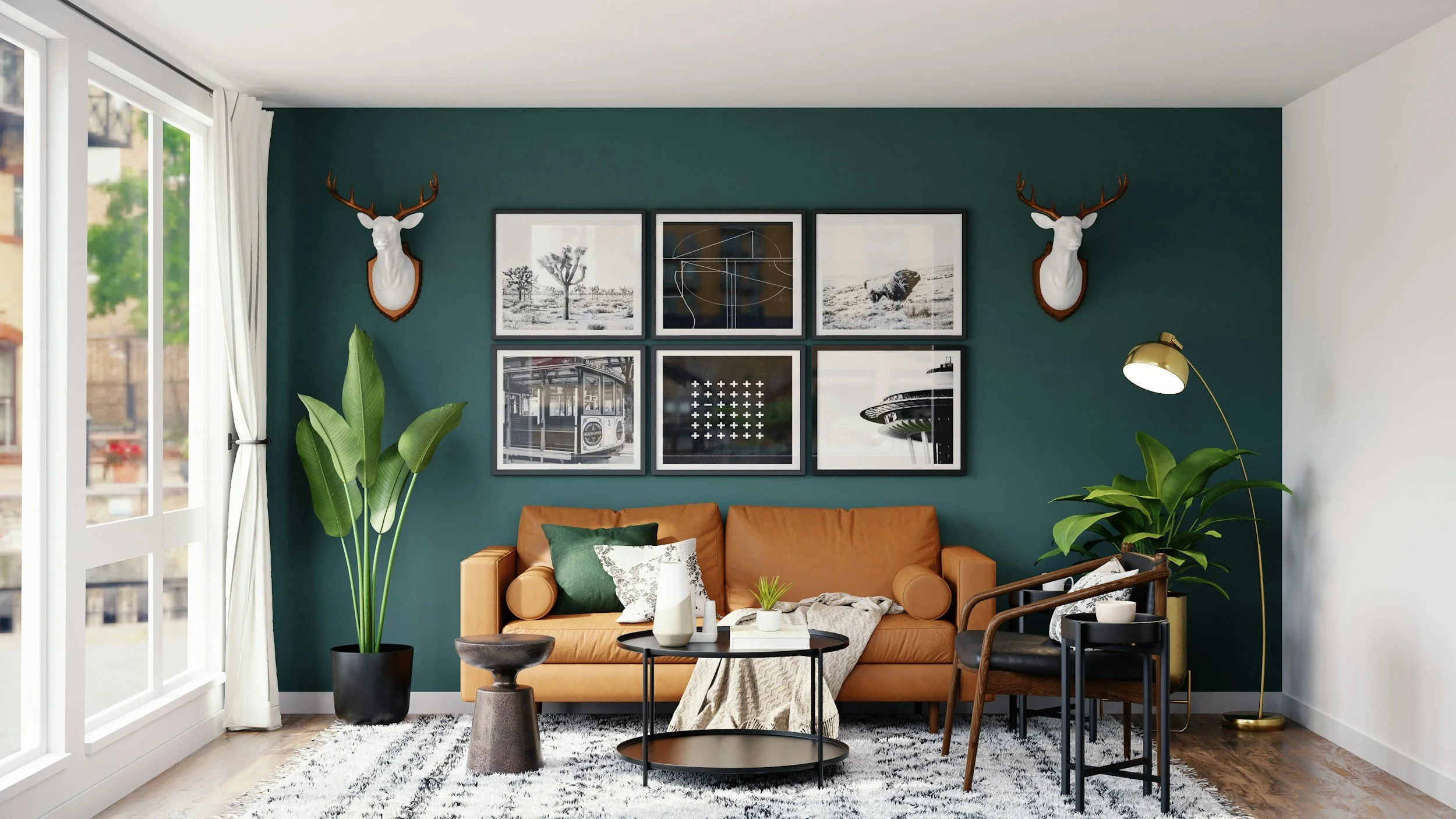
Interior Design
Space Planning • Furniture Placement • Color • Function • Scale • Design
Students become interior designers as they plan their own rooms and living spaces.
They learn to consider how a room will be used, who will use it, where furniture should go, how people move through a space, and how color, lighting, texture, and decoration affect the environment.
Students may create floor plans, design boards, model rooms, or complete room-design challenges.
Houses Throughout History
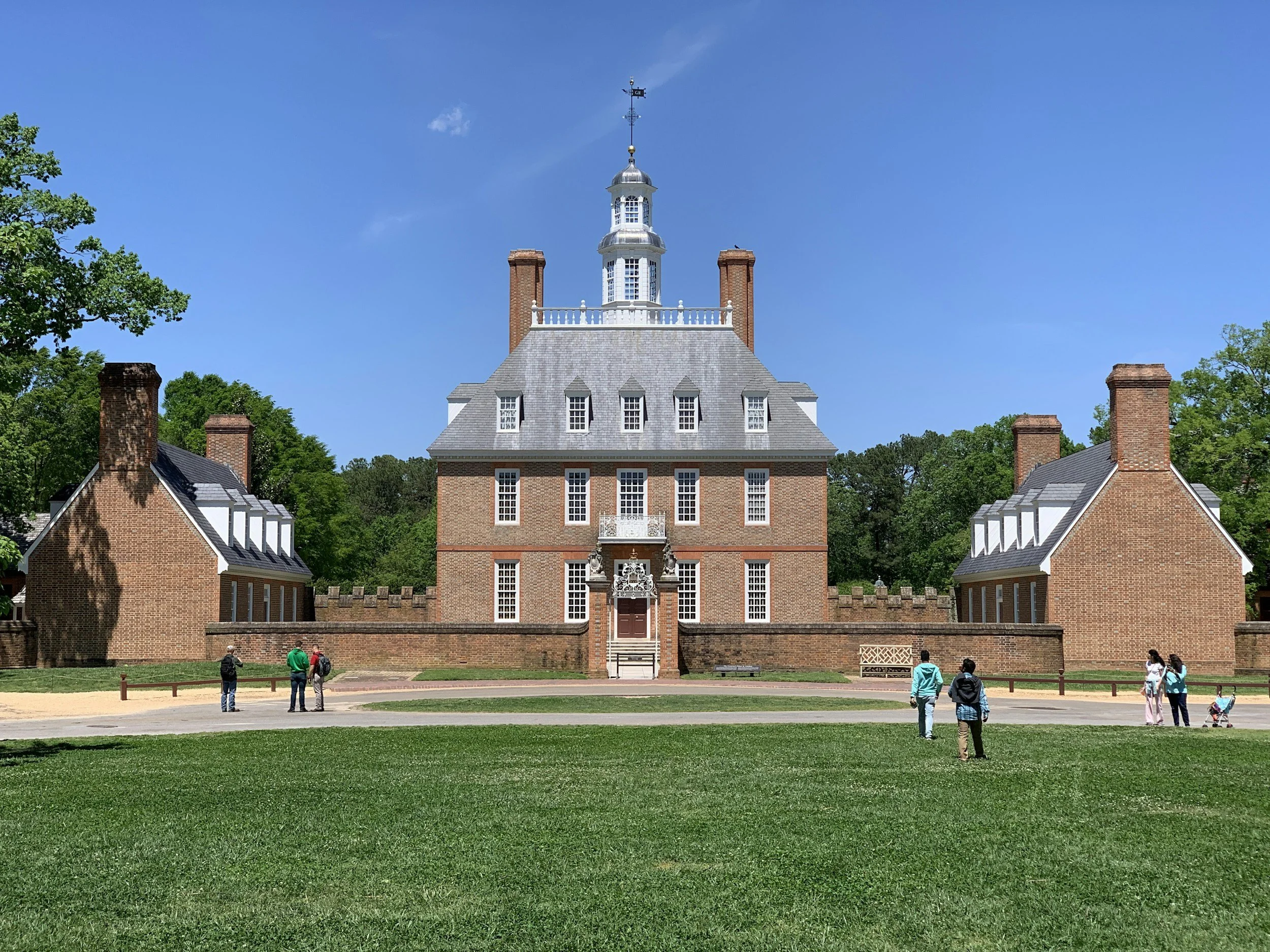
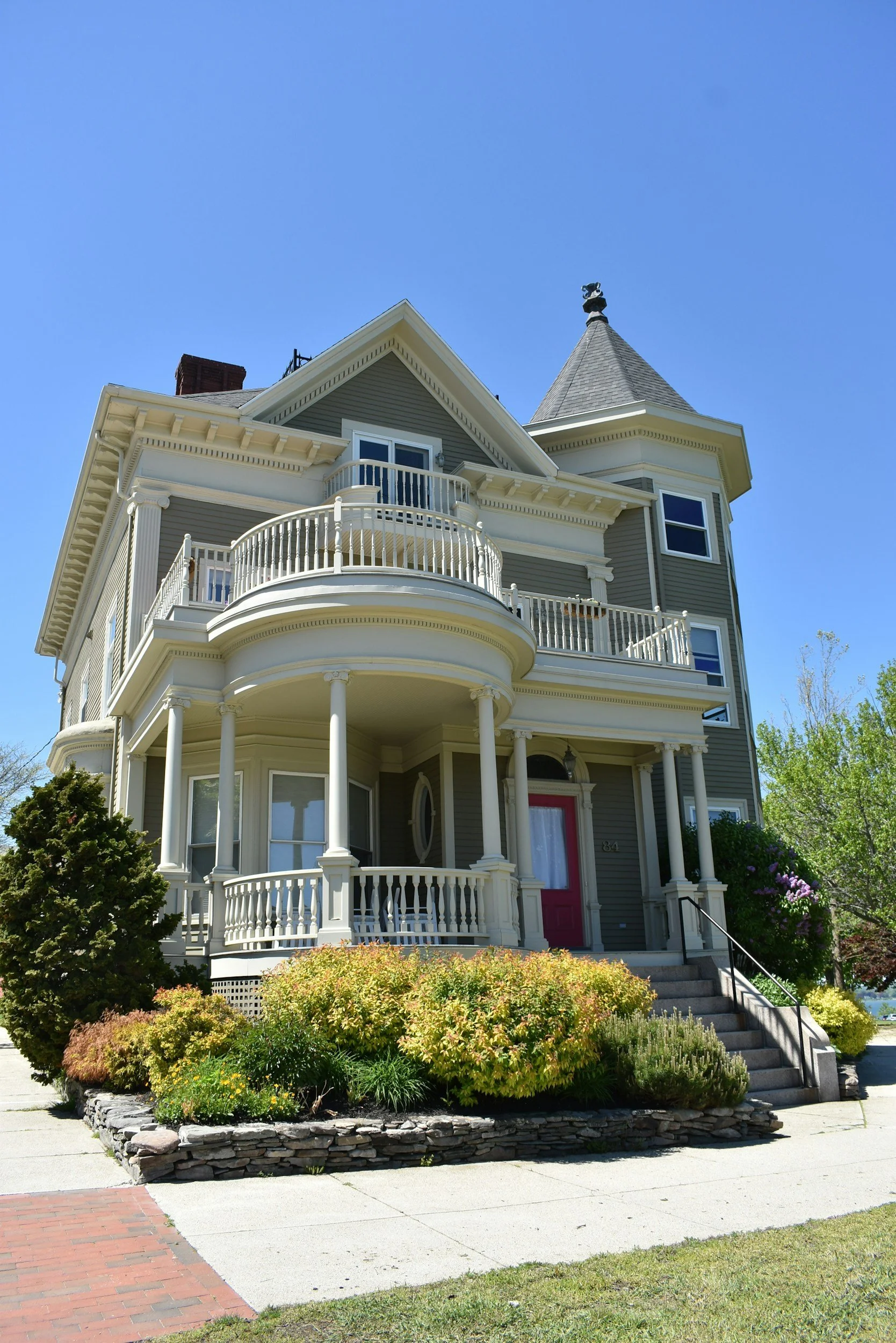

A house is much more than a building. It tells a story about where people lived, what materials were available, what they valued, how families lived together, what technology existed, and how people adapted to their environment.
In our Houses Through History lessons, students explore how homes have changed from the earliest human shelters to the houses we live in today.
Students may explore caves and early shelters, Indigenous dwellings, ancient Egyptian homes, Greek and Roman houses, medieval cottages and castles, log cabins, Colonial homes, farmhouses, Victorian houses, homes of the Industrial Revolution, early 20th-century homes, mid-century houses, and modern homes.
They discover that houses developed differently around the world because people had different climates, resources, cultures, technologies, and needs.