History Classes
Understanding the Past Helps Children Understand the World
At Beehive Academy, we believe history is an essential part of a child's education.
History teaches children much more than names, places, and dates. It helps them understand how people lived, why societies changed, how governments and communities developed, how ideas spread, and how decisions made in the past continue to influence the world today.
When children understand history, the world begins to make more sense.
Our History Academy brings history to life through stories, maps, timelines, biographies, historical documents, literature, art, music, artifacts, projects, discussions, and hands-on experiences. Instead of simply memorizing facts for a test, students learn to ask questions, examine evidence, make connections, and understand how one event leads to another.
Why Is Learning History So Important?
Children are growing up in a world filled with information. They need more than the ability to remember facts—they need to know how to think about information.
Studying history helps children learn to ask:
What happened? Why did it happen? What happened next? How do we know? Whose perspective are we hearing? What evidence do we have? What changed—and what stayed the same?
These are powerful thinking skills that extend far beyond the history classroom.
History develops:
Chronological thinking — understanding sequence, time, and how events connect
Cause-and-effect reasoning — recognizing that events and decisions have consequences
Critical thinking — comparing information and evaluating evidence
Reading comprehension — learning from informational text, biographies, and primary sources
Vocabulary and language — developing the language needed to discuss people, places, government, culture, economics, and society
Geography — understanding where events happened and how geography influenced them
Perspective-taking — recognizing that historical events can be experienced differently by different people
Research skills — learning how we know what happened in the past
Communication — explaining ideas, asking questions, participating in discussions, and supporting conclusions with evidence
Most importantly, history gives children a foundation for understanding their own communities, their country, other cultures, and the larger world.
Our History Curriculum
Topics of History
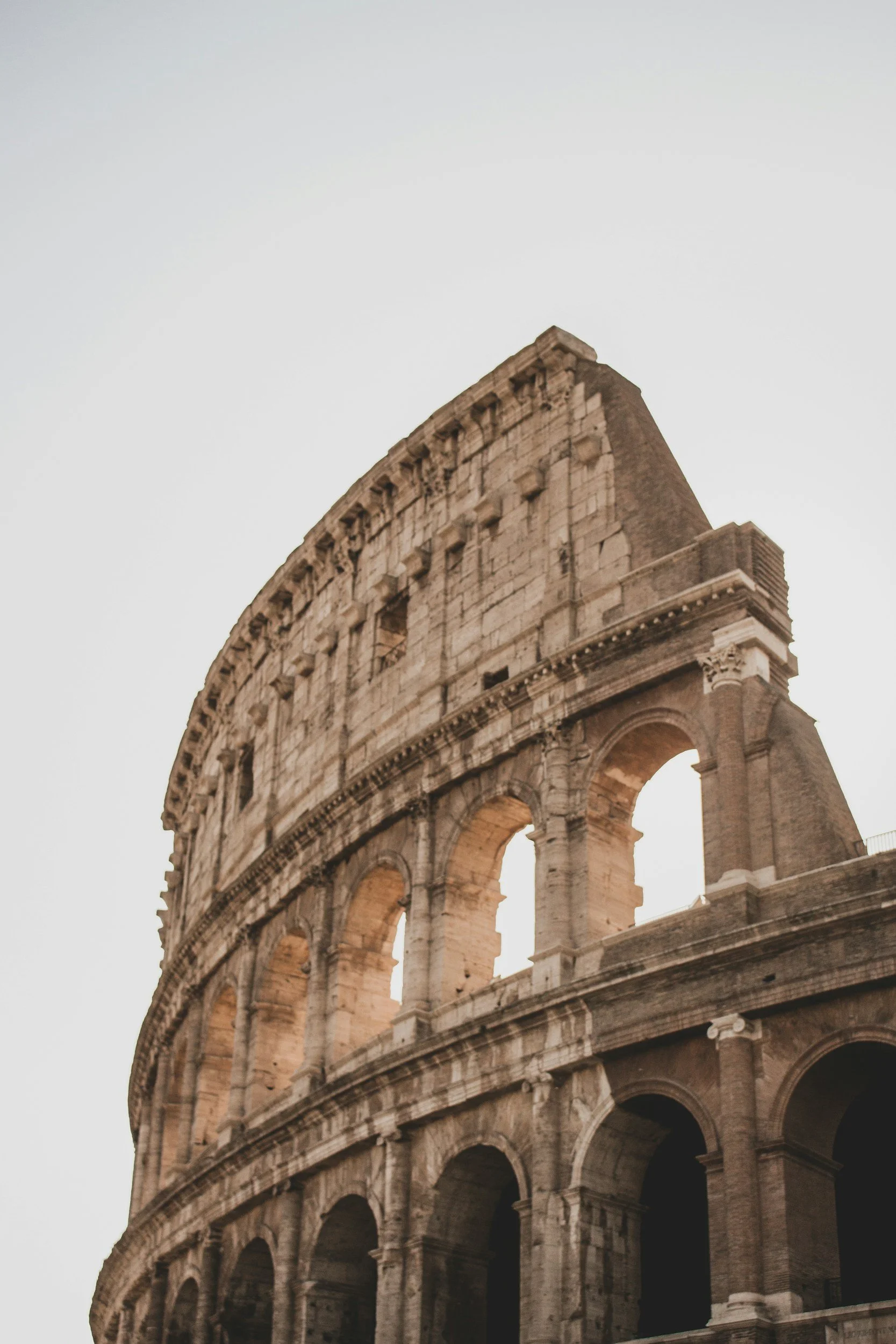
Ancient Civilizations
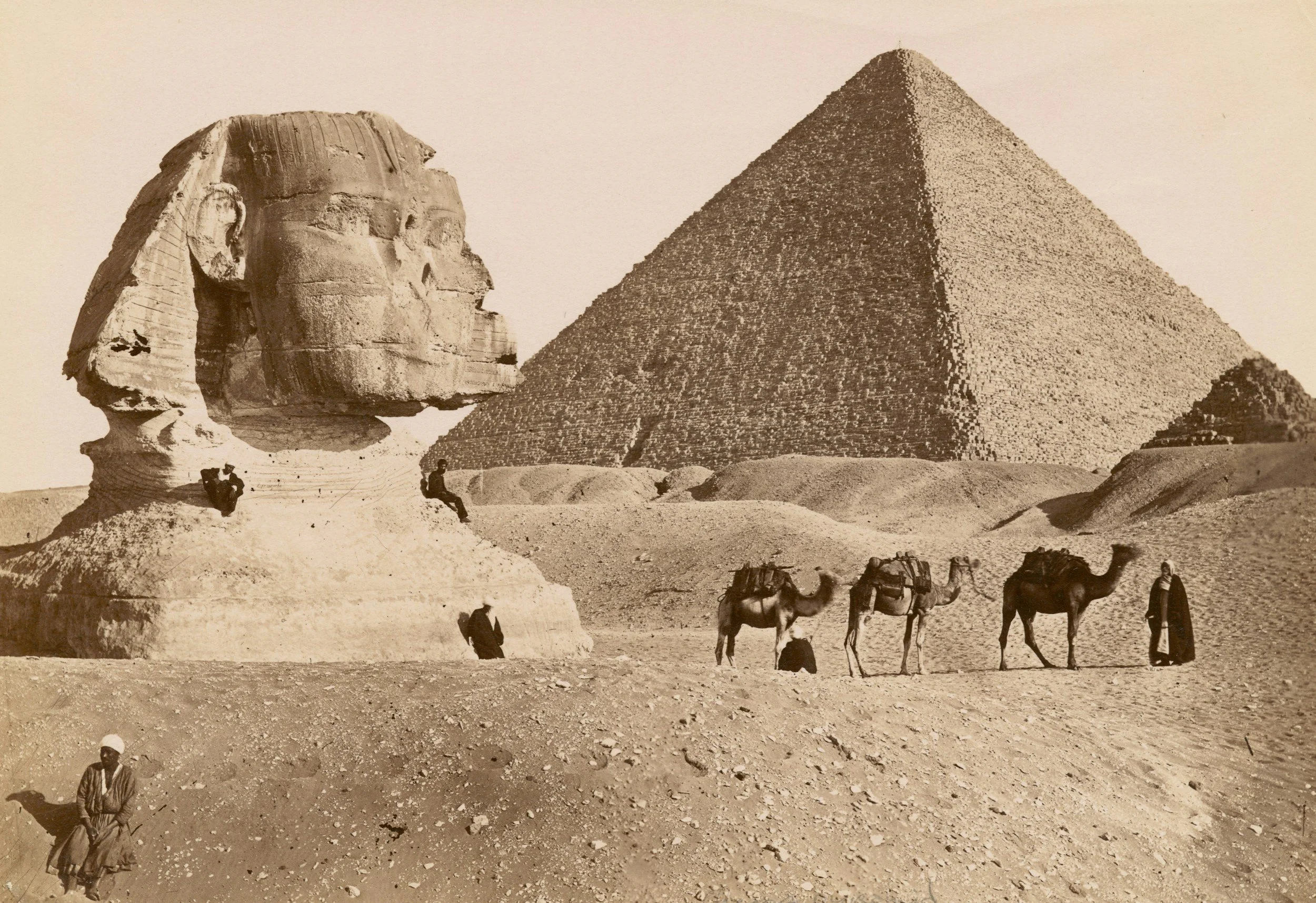
Mesopotamia • Ancient Egypt • Ancient Greece • Ancient Rome • Ancient China • Ancient India • Early Americas
Explore ancient cultures, mythology, inventions, governments, architecture, writing systems, and daily life.
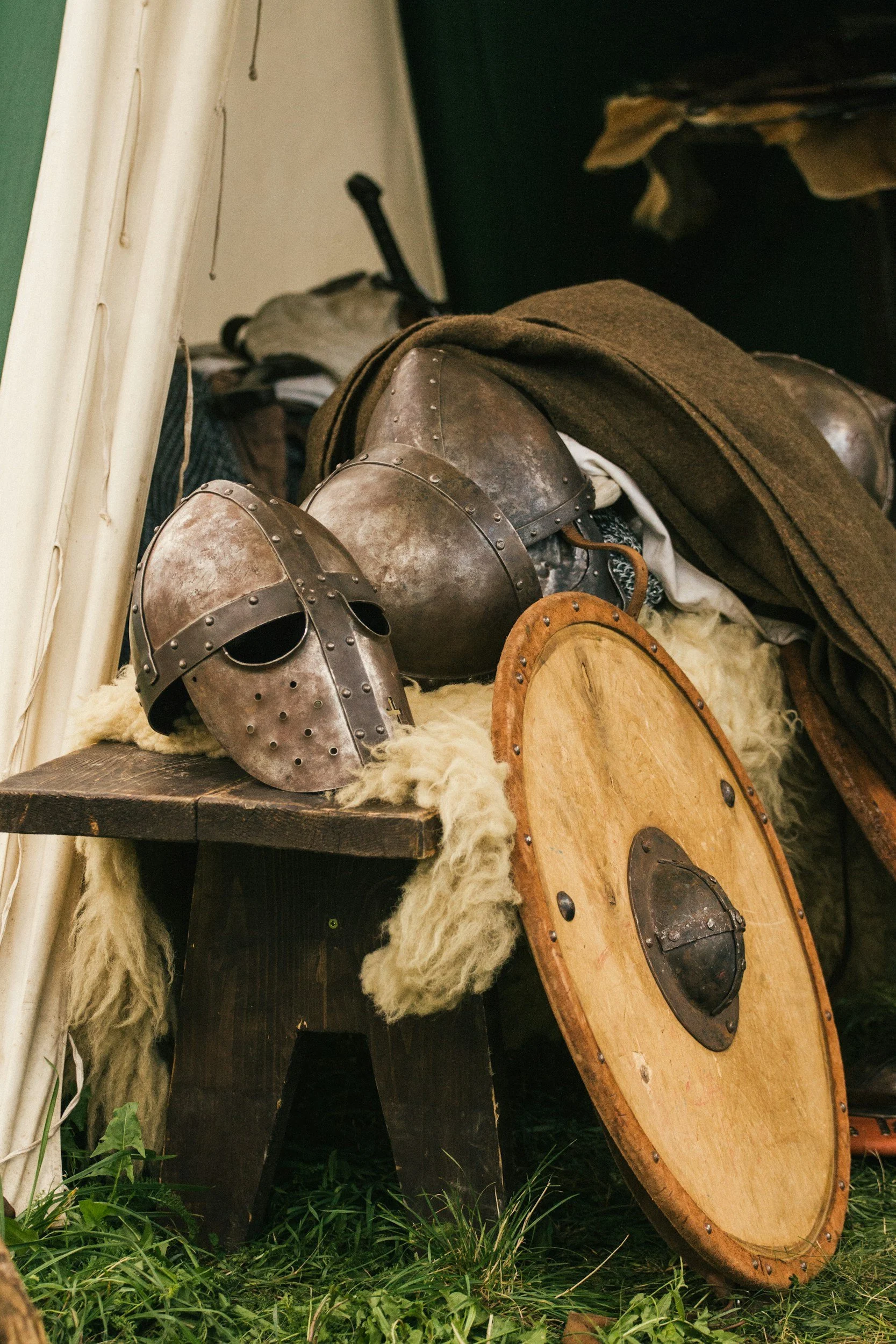
Medieval History
Middle Ages • Castles • Knights • Medieval Communities • Trade • Exploration
Discover how people lived, worked, traveled, governed, and built communities during the medieval world.
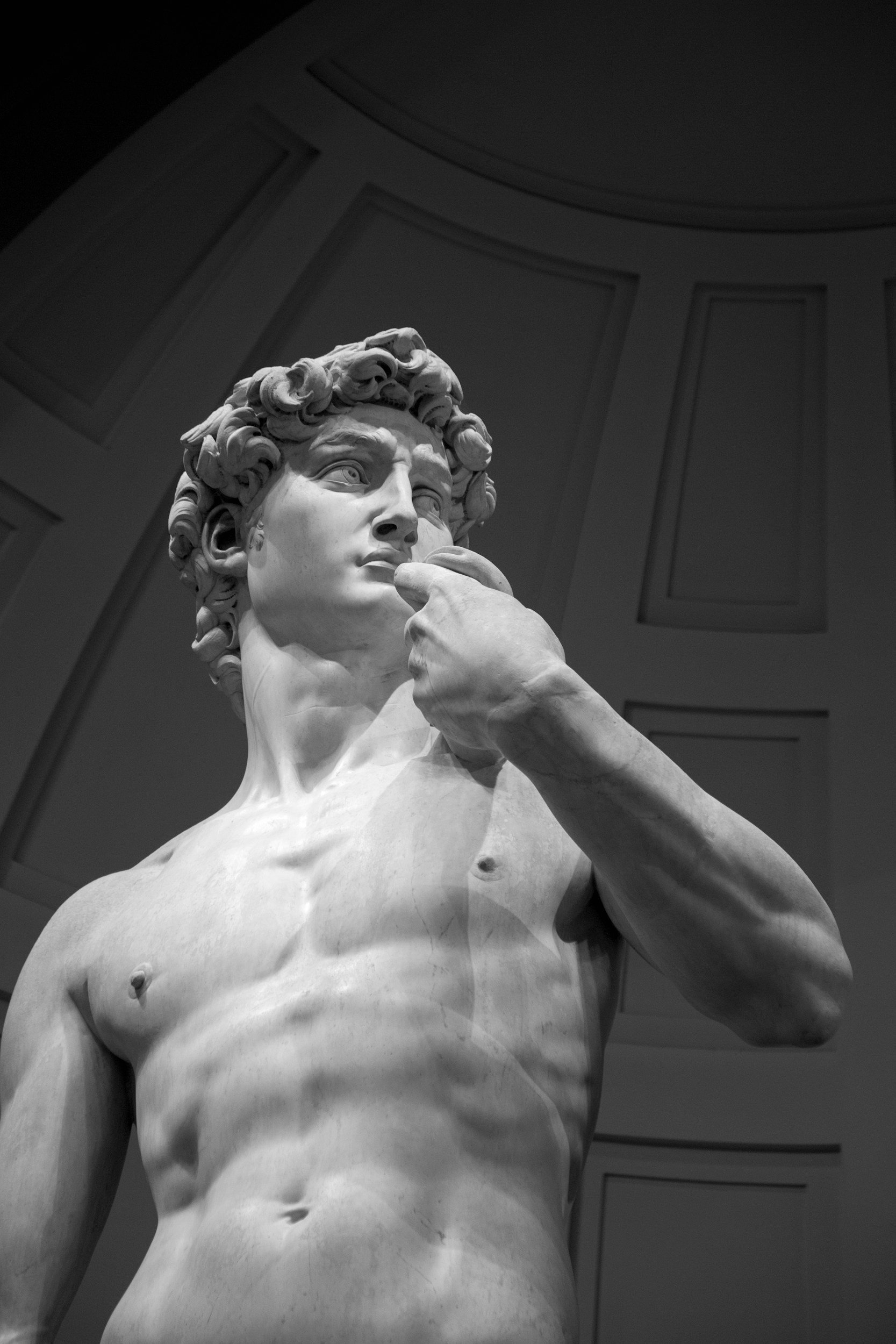
Renaissance & Exploration
Renaissance • Artists & Inventors • Scientific Discovery • Explorers • Navigation • World Trade
Learn how new ideas, inventions, art, science, and exploration helped transform the world.
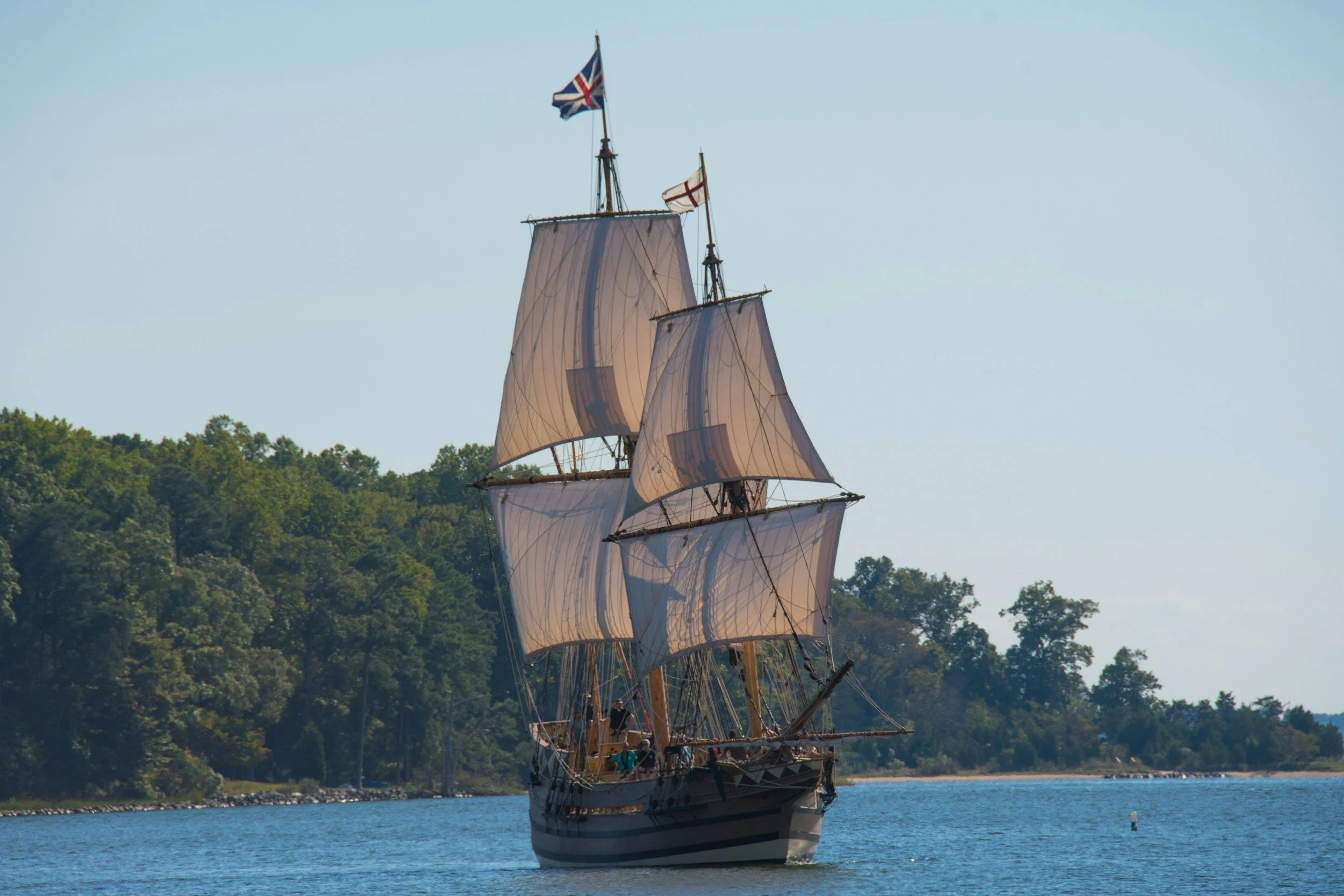
Early American History
Indigenous Cultures • Exploration • Colonial America • American Revolution • Founding of the United States
Explore the people and events that shaped early America and the creation of the United States.
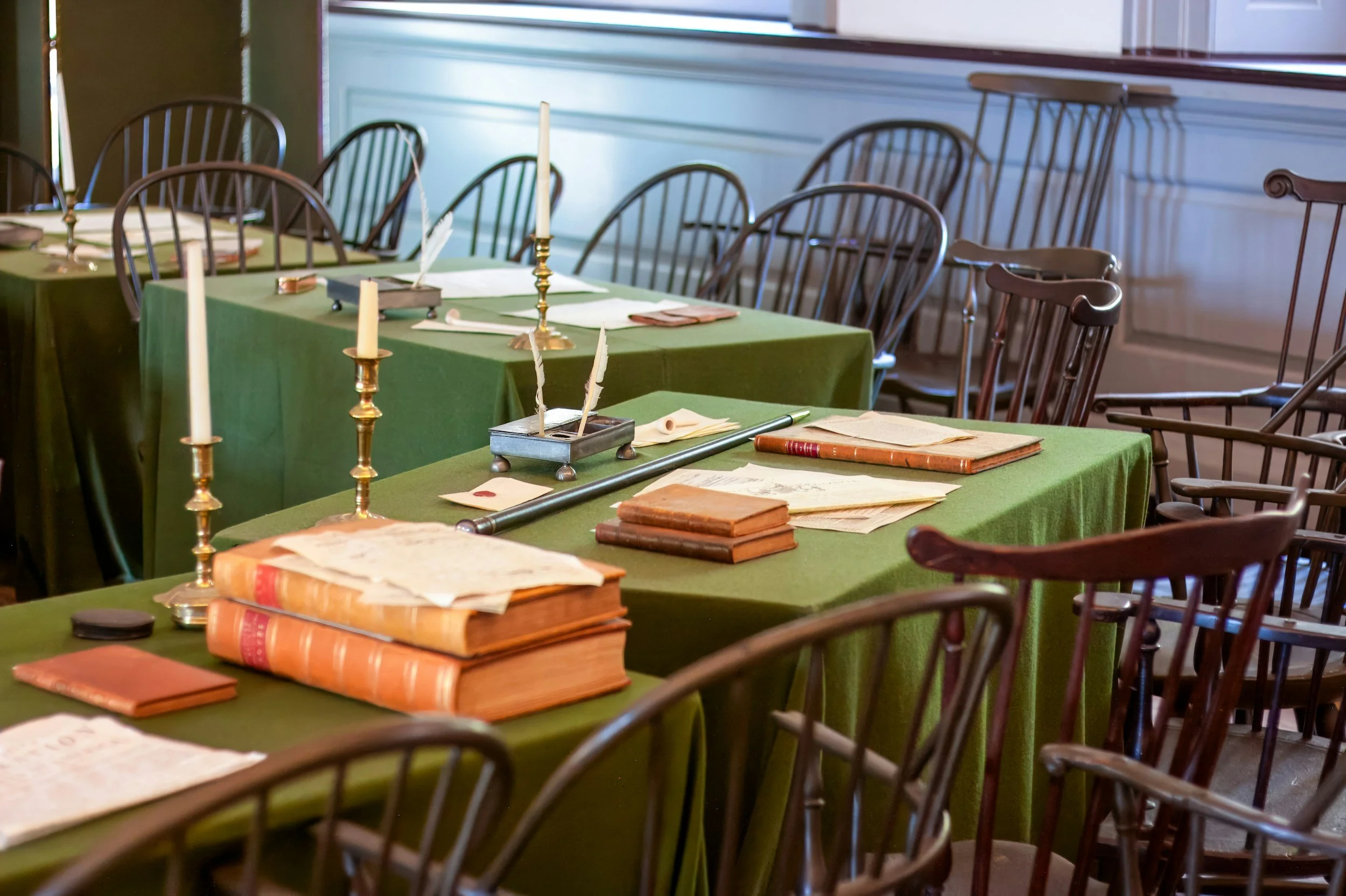
American History
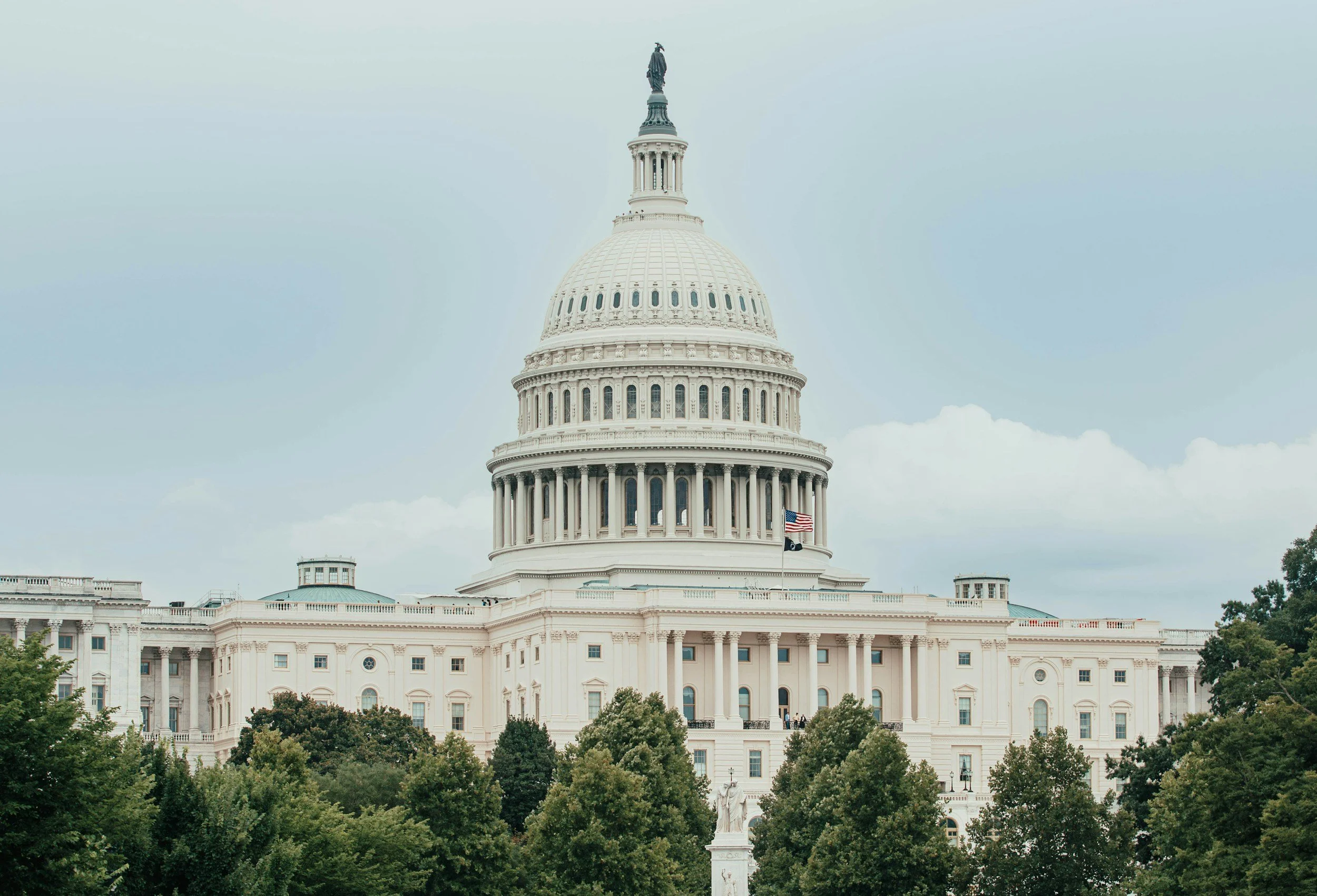
The Constitution • Westward Expansion • Civil War • Reconstruction • Immigration • Industrialization
Follow the growth and development of the United States while examining important events, people, inventions, and social changes.
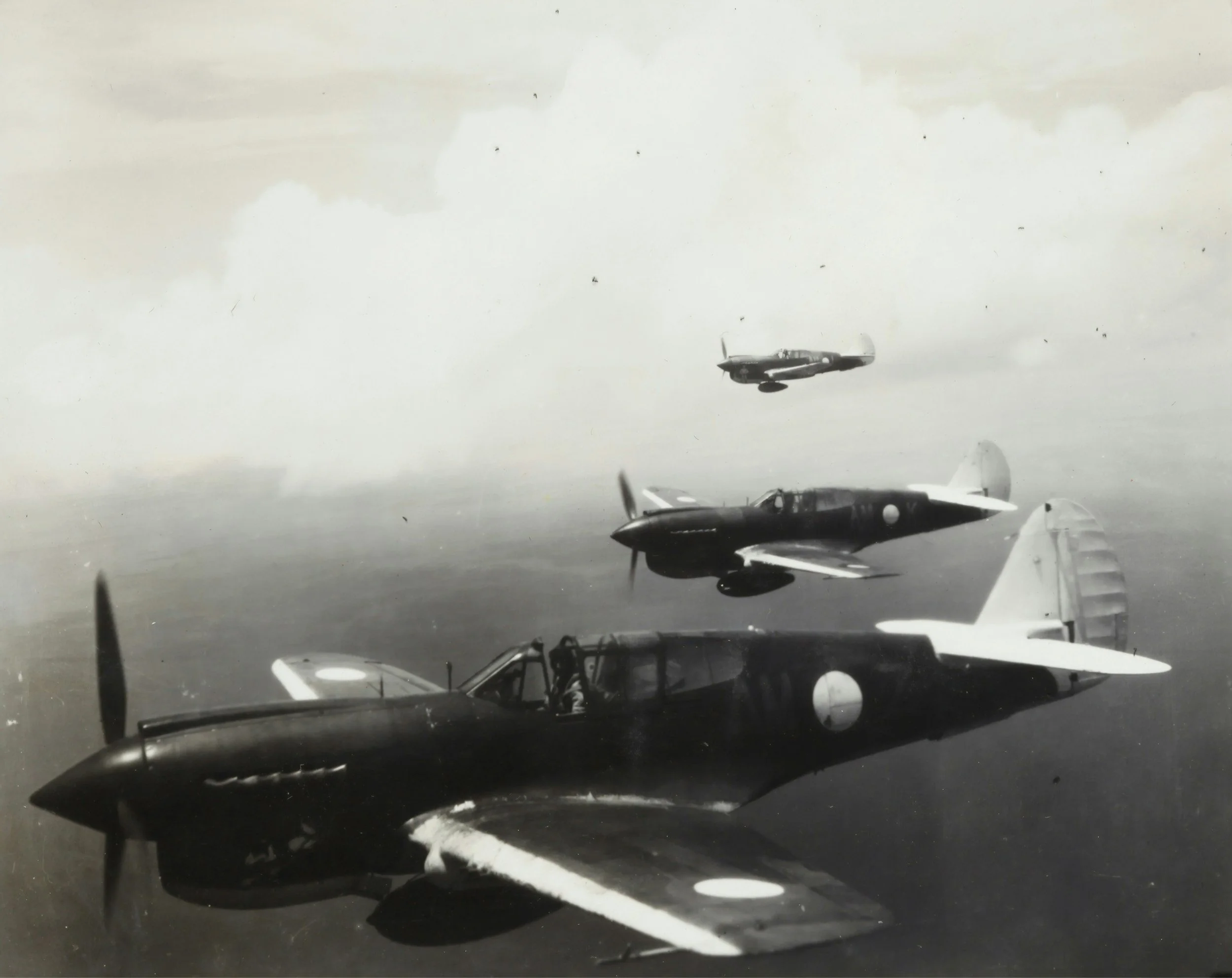
Modern American History
World Wars • Great Depression • Civil Rights Movement • Technology • Modern America
Explore major events and changes that helped shape the United States we know today.
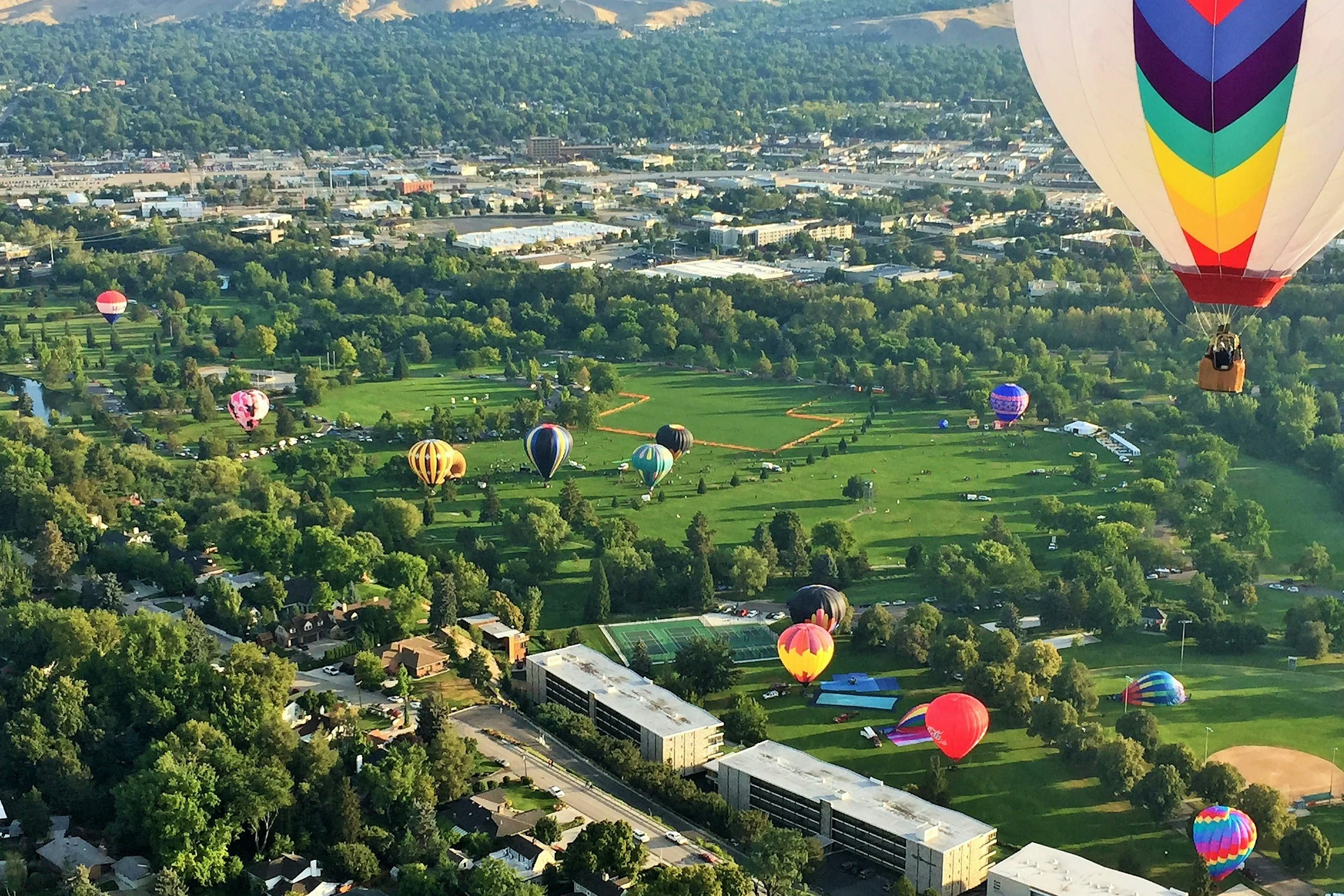
Idaho & Local History
Indigenous Peoples • Exploration • Oregon Trail • Mining • Agriculture • Statehood • Boise & the Treasure Valley
Discover the history right outside our doors and learn how Idaho and our local communities developed.
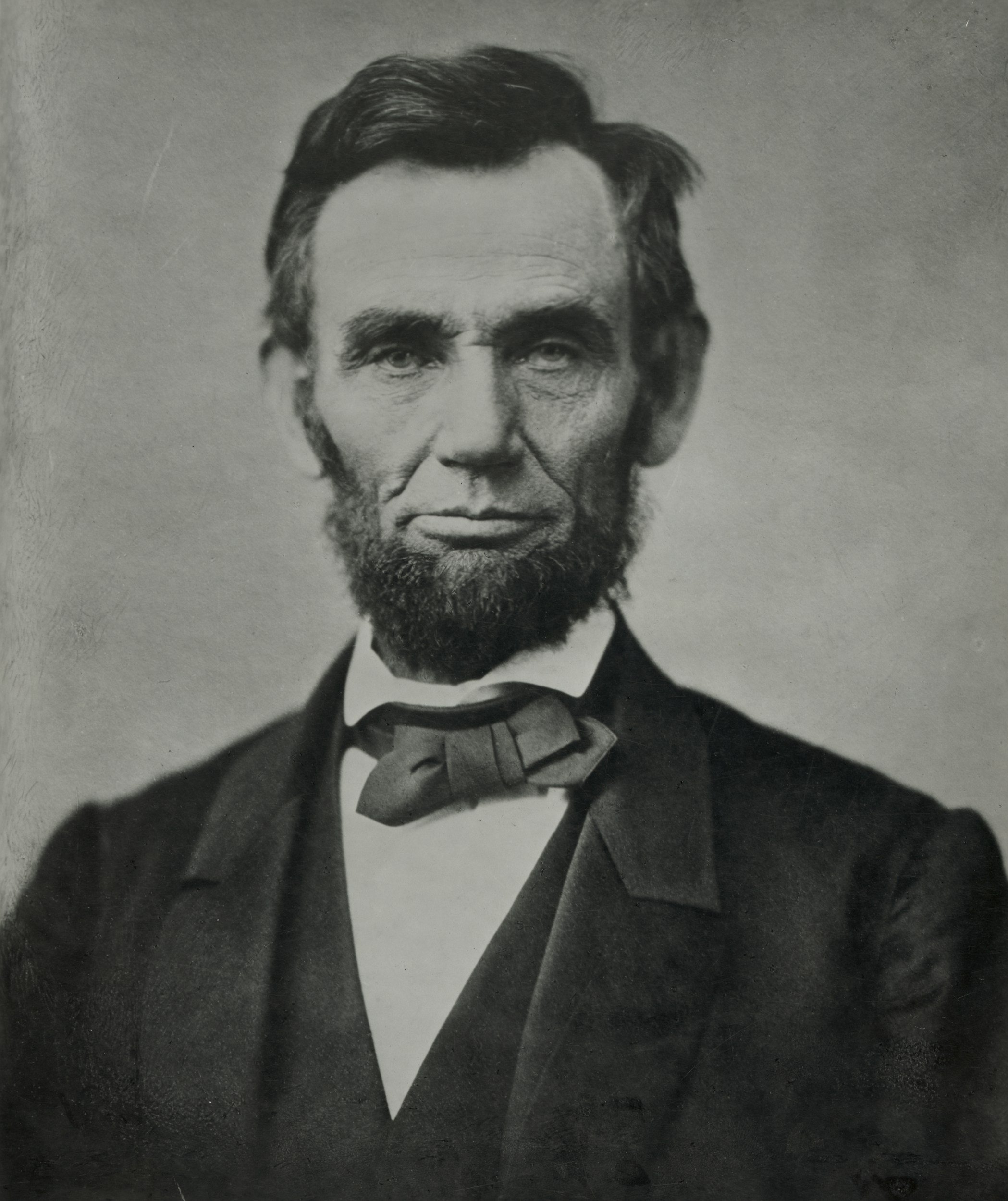
Famous People Who Changed History
Leaders • Scientists • Inventors • Explorers • Artists • Authors • Reformers
Meet people whose ideas, discoveries, leadership, creativity, and courage influenced history.
History Through Primary Sources
At Beehive Academy, we want students to learn to think like historians.
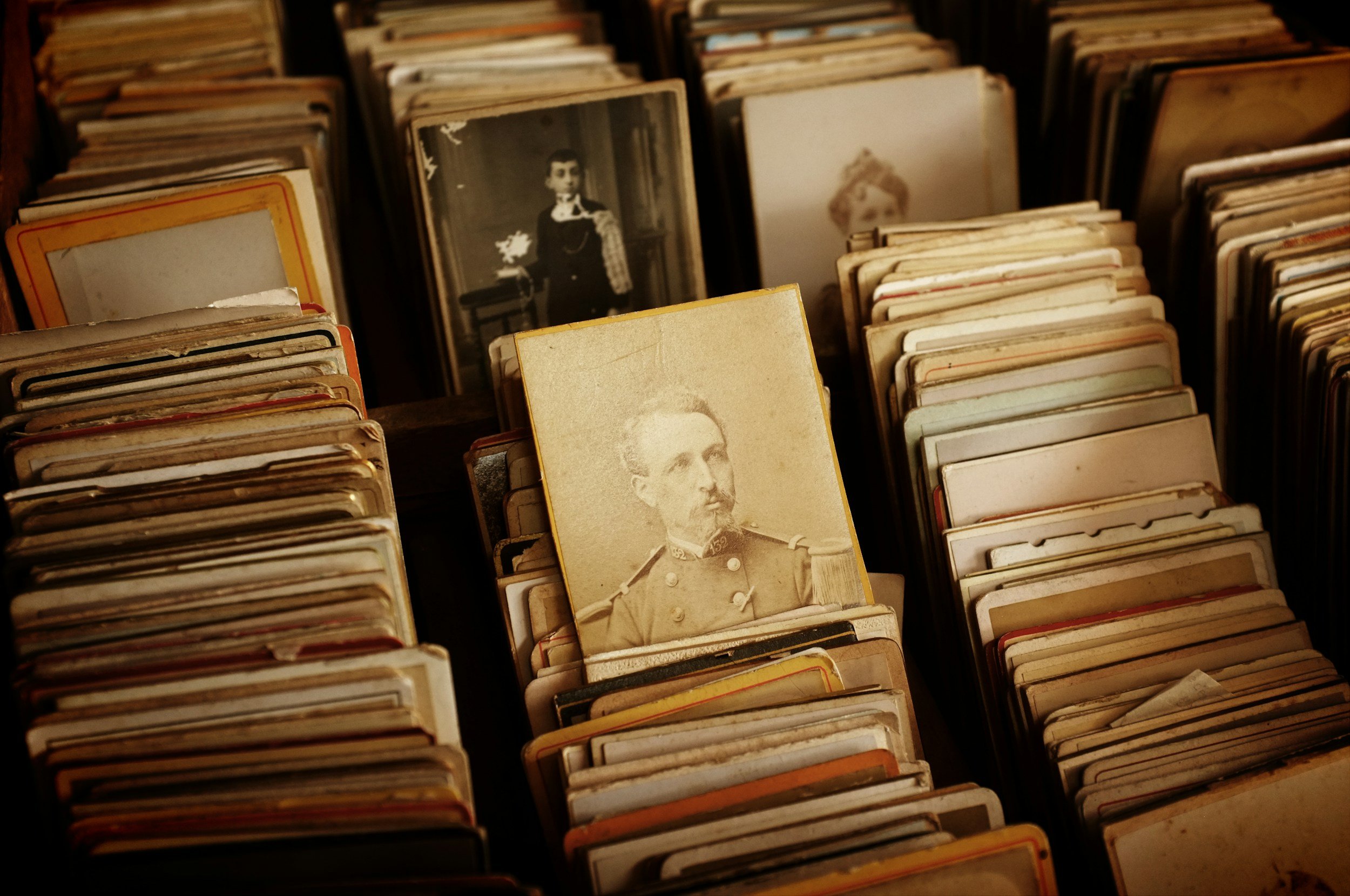
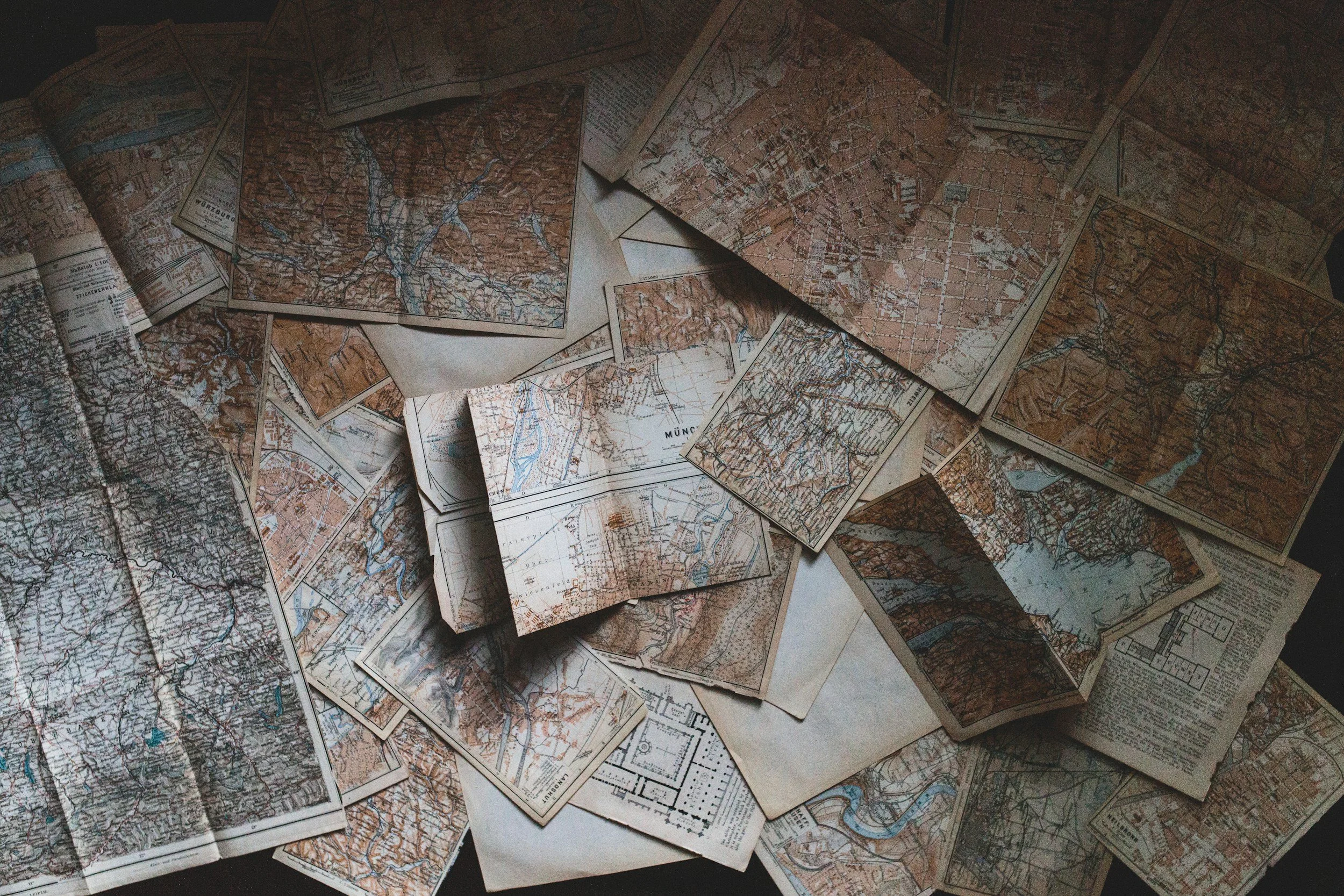
Instead of only reading about history in a textbook, students have opportunities to examine the kinds of evidence historians use to understand the past. Depending on their age, students may explore historical photographs, letters, diaries, maps, newspaper articles, advertisements, speeches, government documents, artwork, posters, oral histories, and reproductions of historical artifacts.
Students learn to look closely and ask questions:
Who created this? When was it created? What does it tell us? Why was it created? Whose perspective does it represent? What might be missing? What other evidence could help us understand what happened?
Younger children may compare an old photograph of Boise with a photograph taken today, examine historical clothing and household objects, or use an old map to see how a community has changed.
Older students begin comparing multiple sources, identifying different perspectives, distinguishing primary from secondary sources, and using historical evidence to support their conclusions.
The goal is to move children from simply asking “What happened?” to asking “How do we know what happened?”
These skills extend far beyond history. Students practice observation, critical thinking, reading comprehension, reasoning, perspective-taking, research, and evaluating information—skills that are increasingly important in a world where children have access to enormous amounts of information.
Hands-On History
We believe children understand and remember history better when they have opportunities to experience it, build it, create it, and investigate it.
Hands-On History transforms lessons into experiences. Instead of only reading about an ancient civilization, students might build one of its structures. Instead of simply learning that people once communicated differently, they might try an ancient writing system. Instead of looking at a historical map, they might recreate a journey themselves.
Depending on the historical period being studied, students might:
Build historical structures such as pyramids, Roman aqueducts, castles, bridges, forts, or early settlements.
Create ancient writing using hieroglyphics, cuneiform, calligraphy, or other historical writing systems.
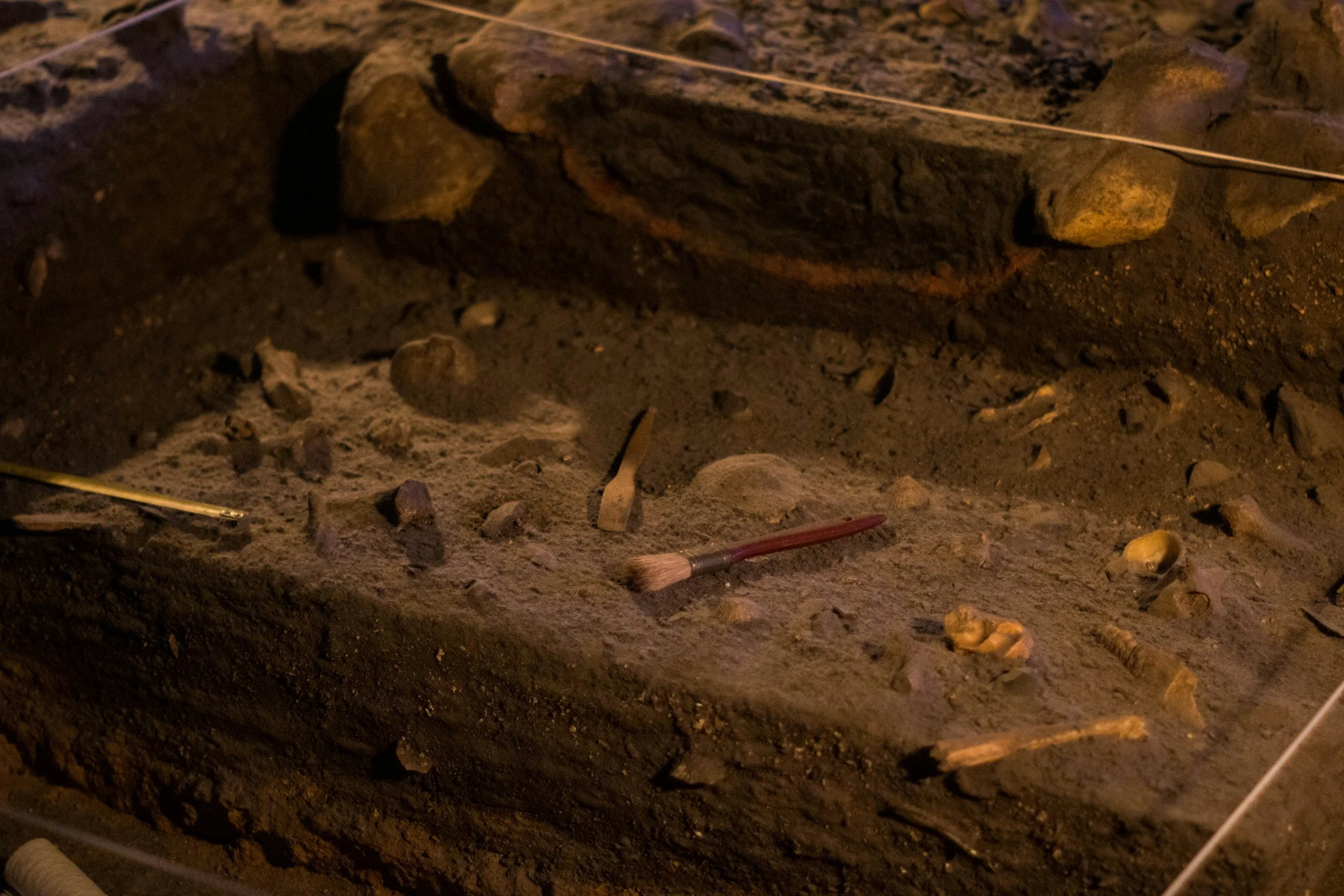
Become archaeologists by examining artifacts, conducting simulated excavations, classifying discoveries, and developing theories about how objects may have been used.
Recreate historical inventions and investigate how technology changed everyday life.
Create maps and timelines showing exploration routes, migration, battles, settlements, trade routes, and major historical events.
Explore historical art by creating mosaics, pottery, paintings, textiles, architecture, and other artwork inspired by the cultures being studied.
Examine historical objects and compare tools, toys, clothing, transportation, household items, and technology from the past with those used today.
Participate in historical role-play by taking on the perspectives of explorers, inventors, settlers, leaders, scientists, artists, or ordinary people from another time.
Conduct historical science and engineering challenges to understand how people solved problems before modern technology.
Create museums and exhibits where students organize artifacts, write descriptions, develop displays, and teach others about what they have learned.