

Beehive Science & Discovery Academy
Building Curious Minds Through Science, Logic, Problem Solving, and Critical Thinking
Every child is born curious.
Children naturally ask questions, explore their environment, build, experiment, observe, compare, predict, and wonder how the world works. At Beehive Science & Discovery Academy, we nurture that curiosity by transforming it into the thinking skills children need to succeed in school and throughout life.
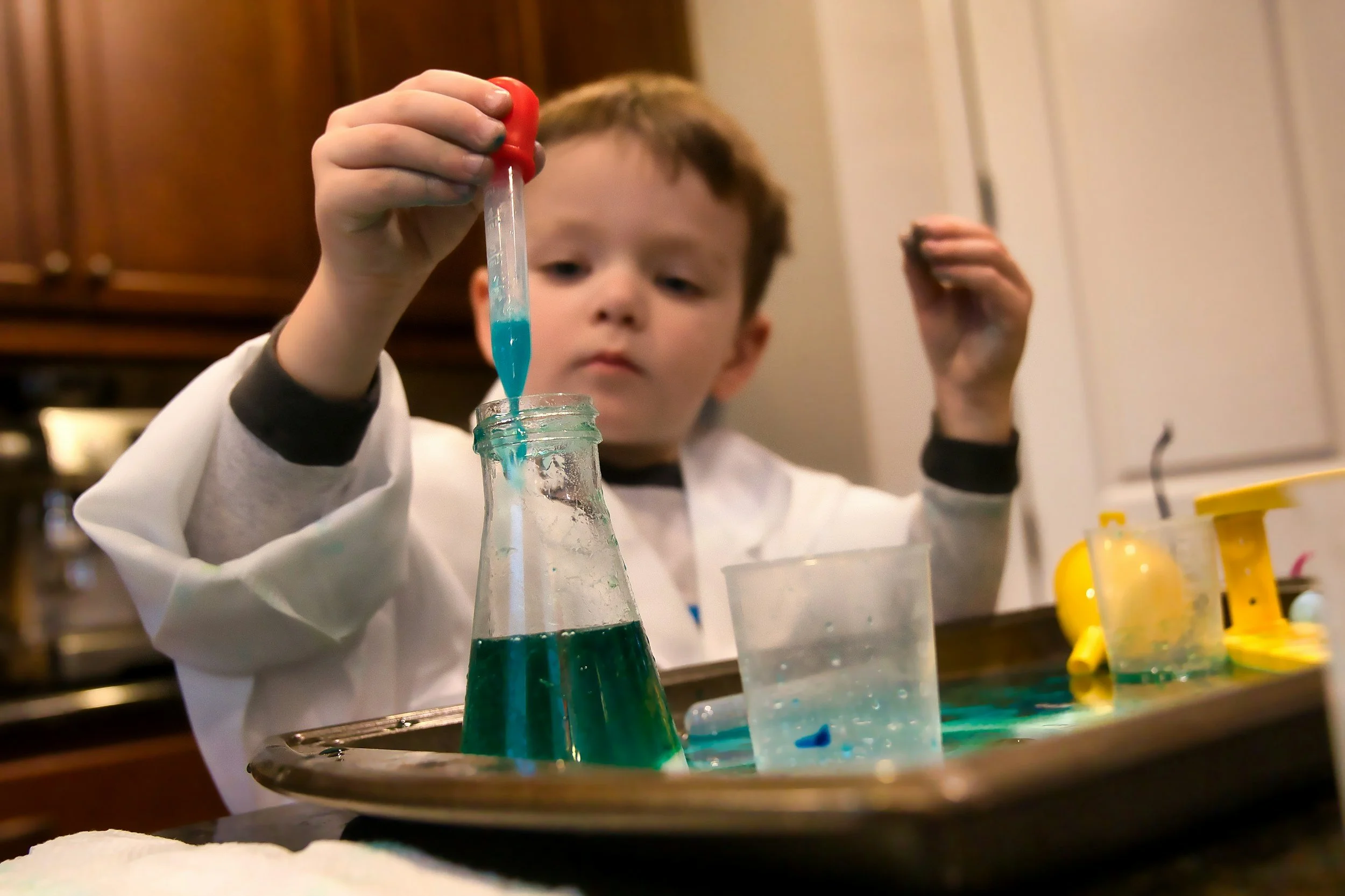
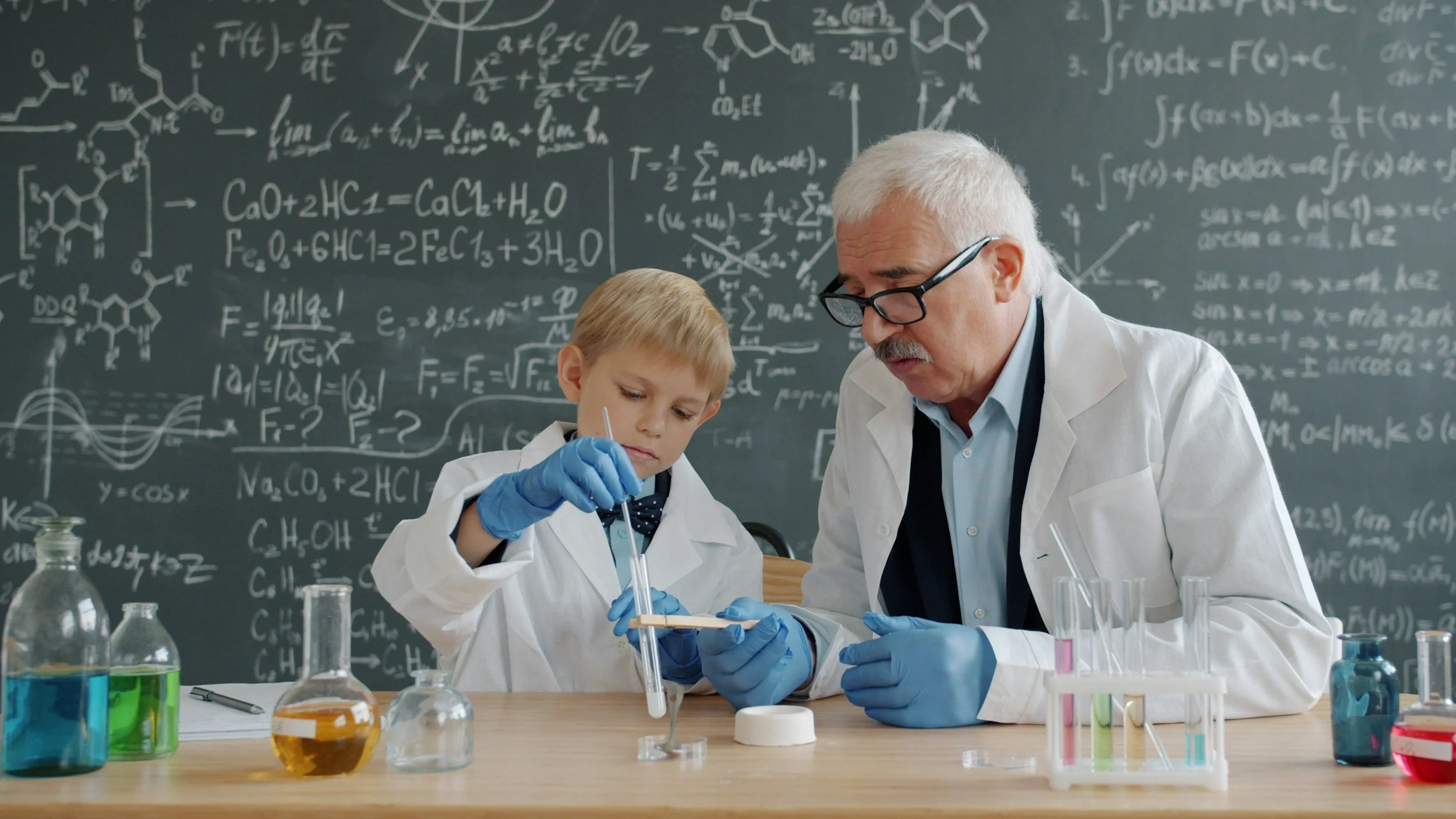
Our Science & Discovery Academy is much more than performing fun experiments. We use science investigations, engineering challenges, logic games, and problem-solving activities to intentionally develop the cognitive, language, executive functioning, social, and reasoning skills that support learning across every academic subject.
Whether children are observing insects, building bridges, designing cities, solving mysteries, or conducting experiments, every activity is carefully designed using our developmental curriculum to strengthen the underlying skills that help children become confident thinkers and lifelong learners.
Building the Skills Behind Scientific Learning
Science naturally develops multiple developmental domains at the same time.
At Beehive Academy, every investigation is intentionally designed to strengthen the whole child.
-
Children develop:
Scientific vocabulary
Asking questions
Explaining observations
Describing procedures
Making predictions
Discussing results
Listening to others
Presenting ideas
Using descriptive language
Scientific discussions build both expressive and receptive language skills.
-
Scientific investigations require children to:
Plan investigations
Organize materials
Follow procedures
Sustain attention
Remember multiple steps
Monitor progress
Adjust strategies
Complete projects
Reflect on outcomes
These executive functioning skills transfer directly to classroom learning and everyday problem-solving.
-
Science naturally strengthens:
Critical thinking
Reasoning
Pattern recognition
Working memory
Flexible thinking
Processing speed
Concept formation
Problem-solving
Decision-making
Analytical thinking
Children become active thinkers rather than passive learners.
-
Science provides meaningful opportunities to use mathematics through:
Counting
Measuring
Comparing
Graphing
Recording data
Identifying patterns
Estimating
Geometry
Spatial reasoning
Sequencing
Children learn that mathematics is a powerful tool for understanding the world around them.
-
Scientific learning supports reading and writing through:
Listening comprehension
Following written directions
Reading informational texts
Recording observations
Writing hypotheses
Summarizing investigations
Building academic vocabulary
Asking and answering questions
Children learn to communicate scientific ideas clearly and confidently.
-
Scientific discovery teaches children that mistakes are valuable learning opportunities.
Students develop:
Confidence
Curiosity
Persistence
Resilience
Independence
Flexible thinking
Self-confidence
Growth mindset
Children learn that success often comes after testing, revising, and trying again.
-
Many scientific investigations are completed collaboratively.
Children practice:
Teamwork
Cooperation
Taking turns
Sharing materials
Listening respectfully
Problem-solving with peers
Respecting different ideas
Giving and receiving feedback
These experiences strengthen communication and interpersonal skills.
-
Hands-on investigations strengthen:
Fine motor coordination
Hand-eye coordination
Bilateral coordination
Tool use
Precision
Construction skills
Manipulating materials
Visual-motor integration
Learning becomes active rather than passive.
More than Science Class
Developing Scientific Thinking
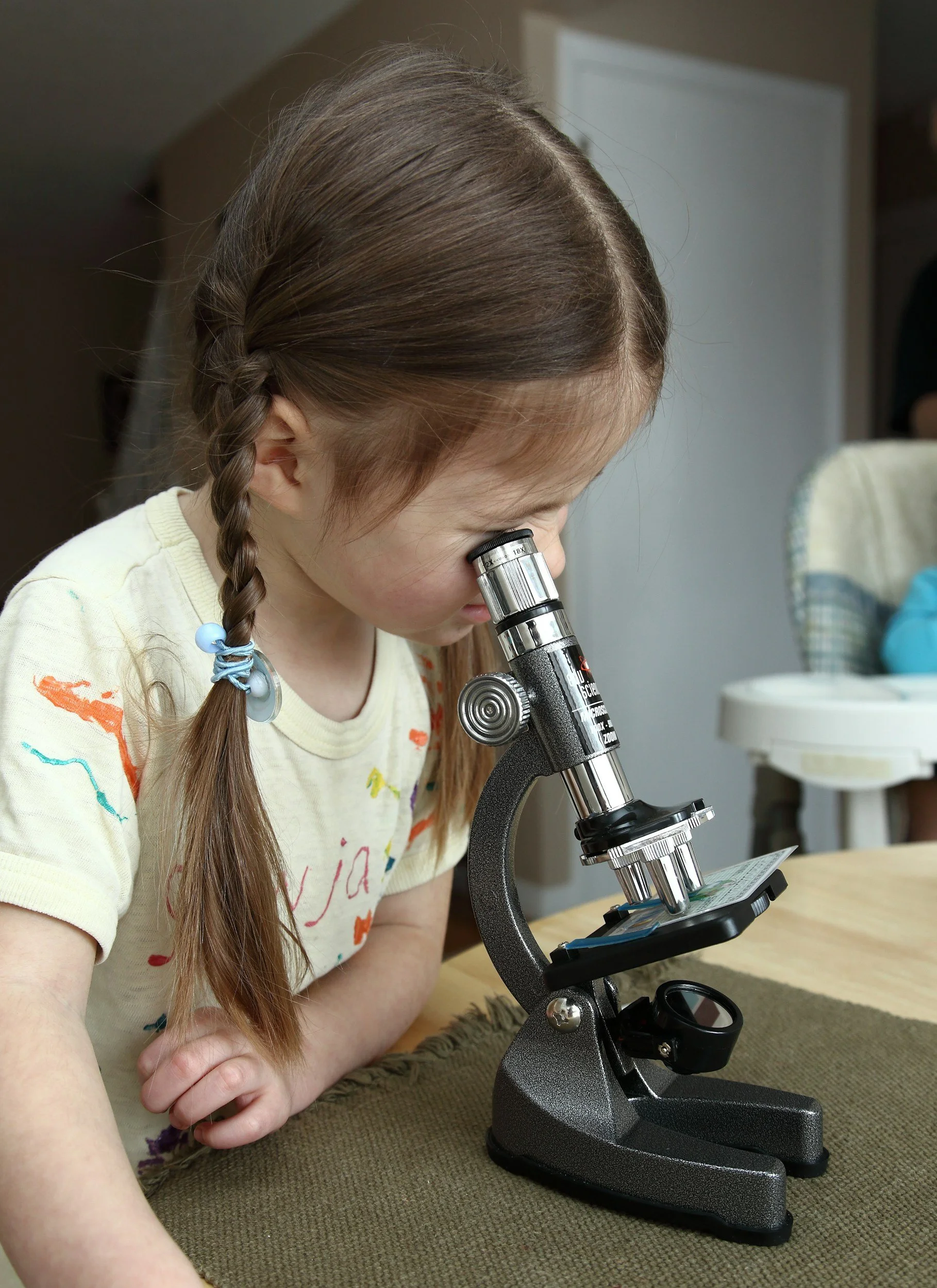
Science is not simply learning facts—it is learning how to think.
Our program teaches children to:
Observe
Predict
Compare
Classify
Measure
Investigate
Analyze
Question
Infer
Evaluate
Experiment
Explain
Solve problems
Reflect
Apply knowledge
These thinking skills become the foundation for success across every academic subject.
Logic & Reasoning Skills
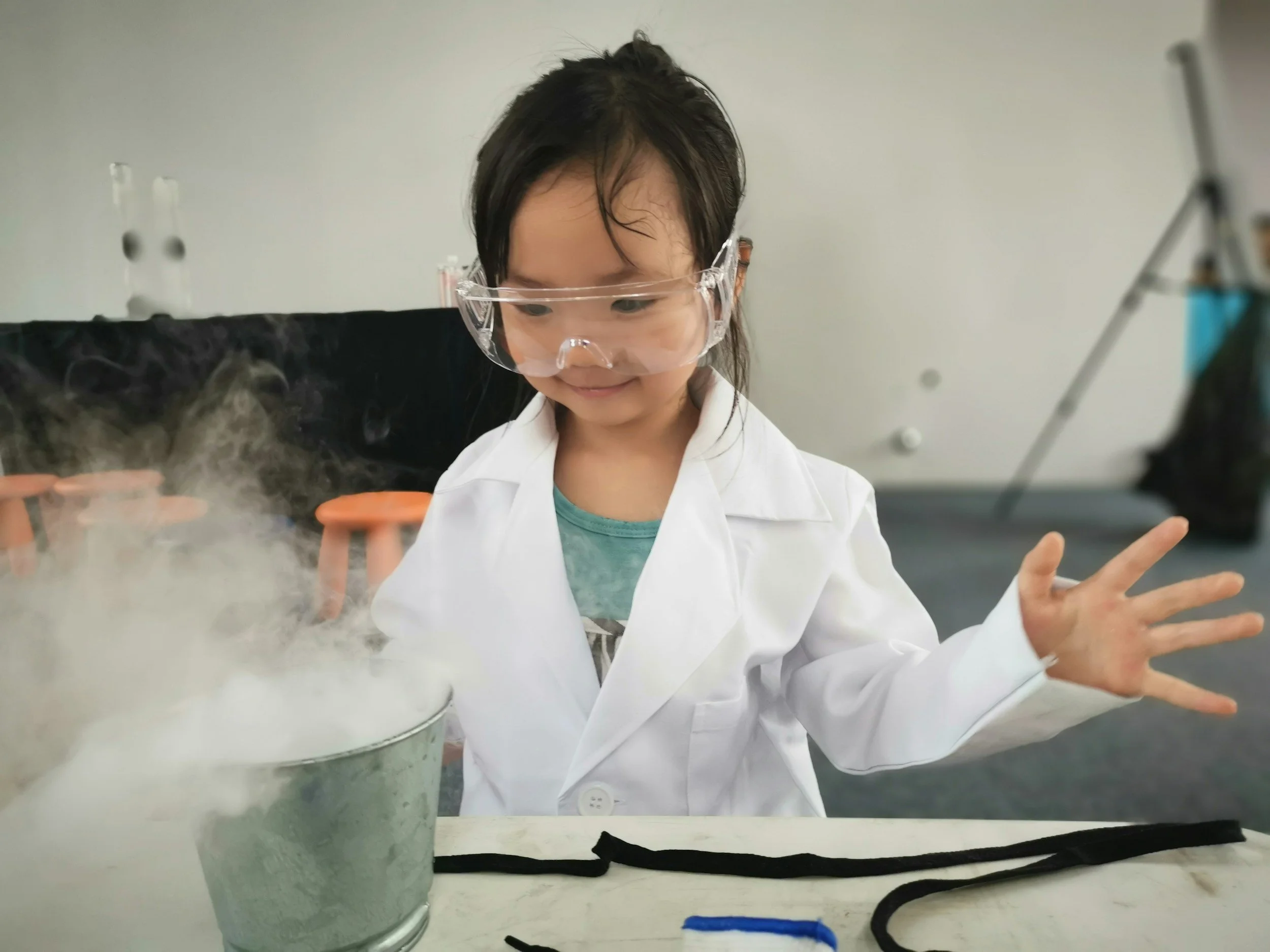
Logical thinking allows children to understand relationships, solve problems, and make sound decisions.
Students develop:
Cause and effect
Pattern recognition
Classification
Deductive reasoning
Inductive reasoning
Sequential thinking
Flexible thinking
Decision-making
Evidence-based reasoning
Comparing and contrasting
Identifying similarities and differences
Children learn that successful problem solvers ask questions, gather information, test ideas, and revise their thinking when new evidence is discovered.
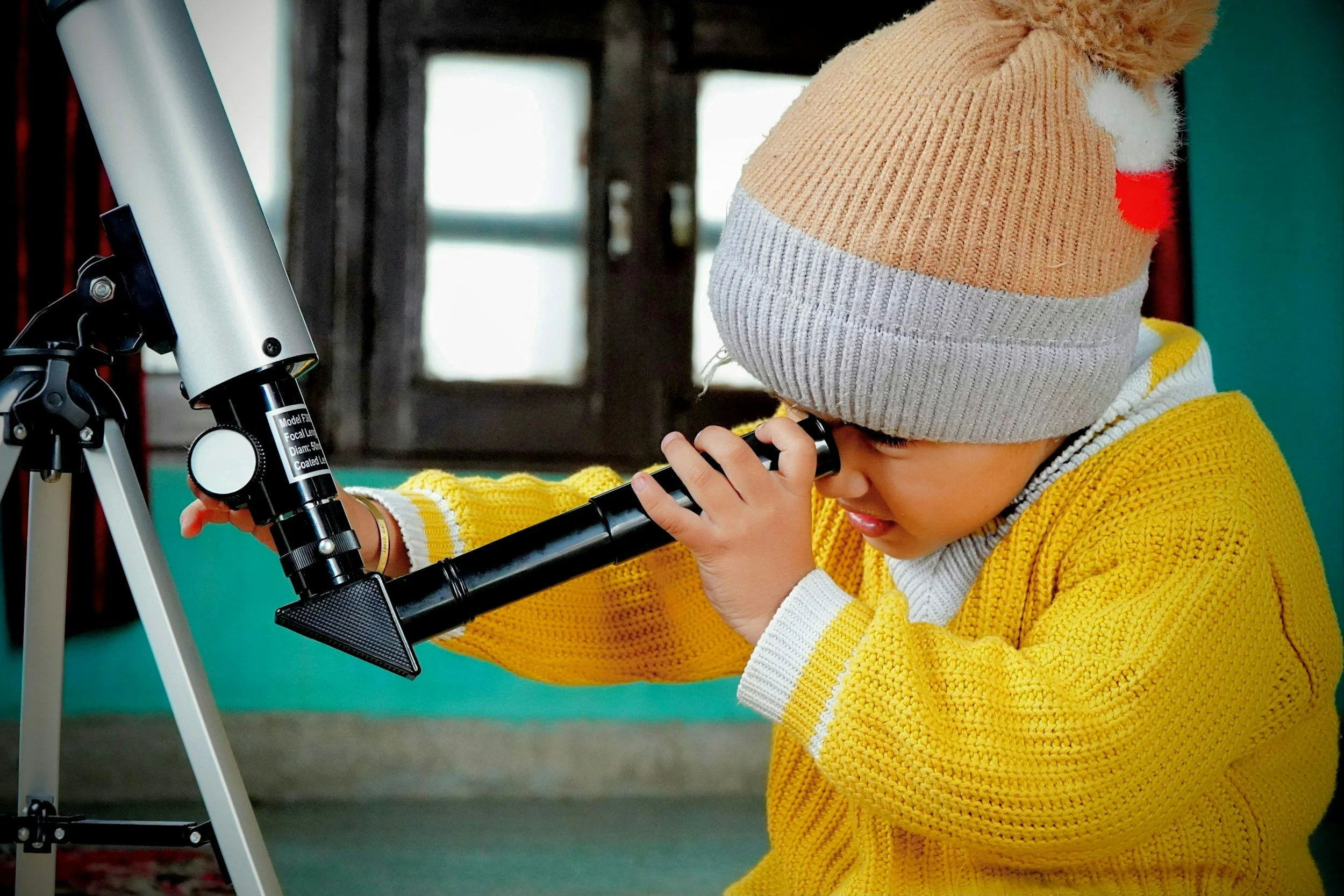
Problem Solving & Engineering
Engineering challenges help children develop perseverance while learning there are often many possible solutions to a problem.
Students participate in activities such as:
Building bridges
Designing towers
Creating simple machines
Constructing cities
Solving design challenges
Creating inventions
Building habitats
Designing transportation systems
Coding activities
Robotics challenges
STEM investigations
Children learn to:
Identify a problem
Brainstorm solutions
Develop a plan
Test ideas
Improve designs
Evaluate results
Try again
This growth mindset encourages creativity, persistence, and confidence..