


Where Childhood Comes to Life
Play is the foundation of childhood development. Before children learn to read, write, solve math problems, or build friendships, they first learn through play. Every block stacked, pretend game created, puzzle completed, and interaction with another child strengthens the brain and builds the skills needed for lifelong success. The Play Lab™ is a developmental program where children participate in carefully designed play experiences that strengthen every area of development. Rather than simply providing toys and free play, our educators intentionally design activities that help children progress through the developmental stages of play while building communication, problem-solving, social relationships, and independence.
At Beehive Academy, our Play Labs are intentionally designed to help children develop communication, social, cognitive, emotional, and problem-solving skills through carefully planned, evidence-based play experiences. Unlike traditional playgroups, every activity is purposefully designed around developmental milestones and guided by professionals who understand how children learn best.
Our goal is simple: help every child become a confident learner while having fun.
Play is how children discover the world, develop language, build friendships, solve problems, strengthen their imagination, learn to cooperate, regulate emotions, and become confident learners.
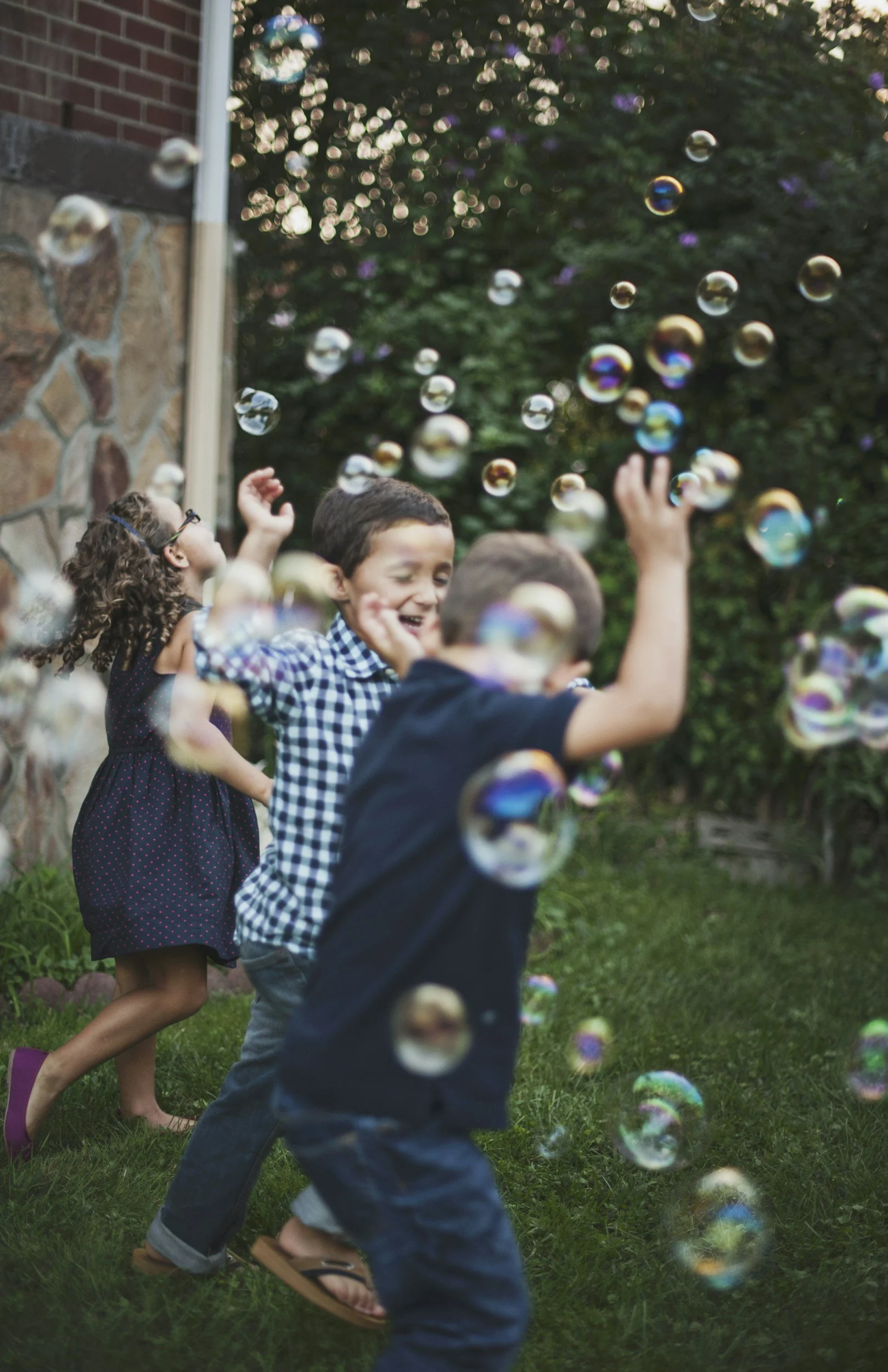
Why is play important?
Play teaches children to think creatively, solve problems, use language, build friendships, share ideas, negotiate, regulate emotions, develop self-confidence, work as a team, persist through challenges, and explore new ideas. These are not simply childhood skills; they are lifelong skills.
Who can benefit?
Play Labs are perfect for children who are preparing for preschool or kindergarten, need opportunities to build friendships, would benefit from structured social experiences, need to strengthen communication skills, want to improve confidence and independence, enjoy imaginative and hands-on learning, thrive in small group environments, or simply love to learn through play!
What makes you different?
At Beehive Academy, play is never “just play.” Every activity is intentionally designed to strengthen communication, executive function, social development, motor skills, independence, and academic readiness through joyful, meaningful experiences that children love. We believe every child deserves a childhood filled with imagination, laughter, discovery, friendship, and adventure.
The Beehive Academy Play Lab™ is where those experiences become the foundation for lifelong learning-- because when children play with purpose, they grow with confidence.
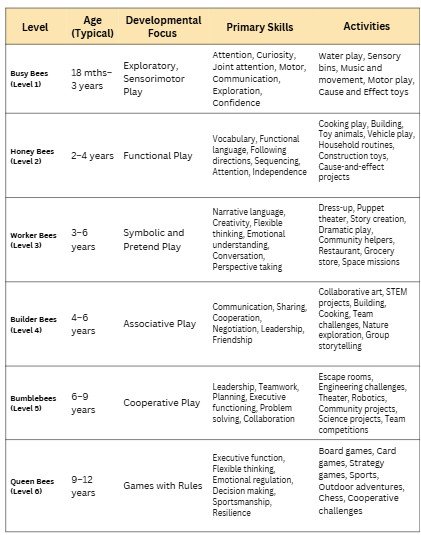
Class Levels
We offer six class levels according to your child’s typical age, as well as developmental needs. All classes focus on developmental growth through play opportunities!
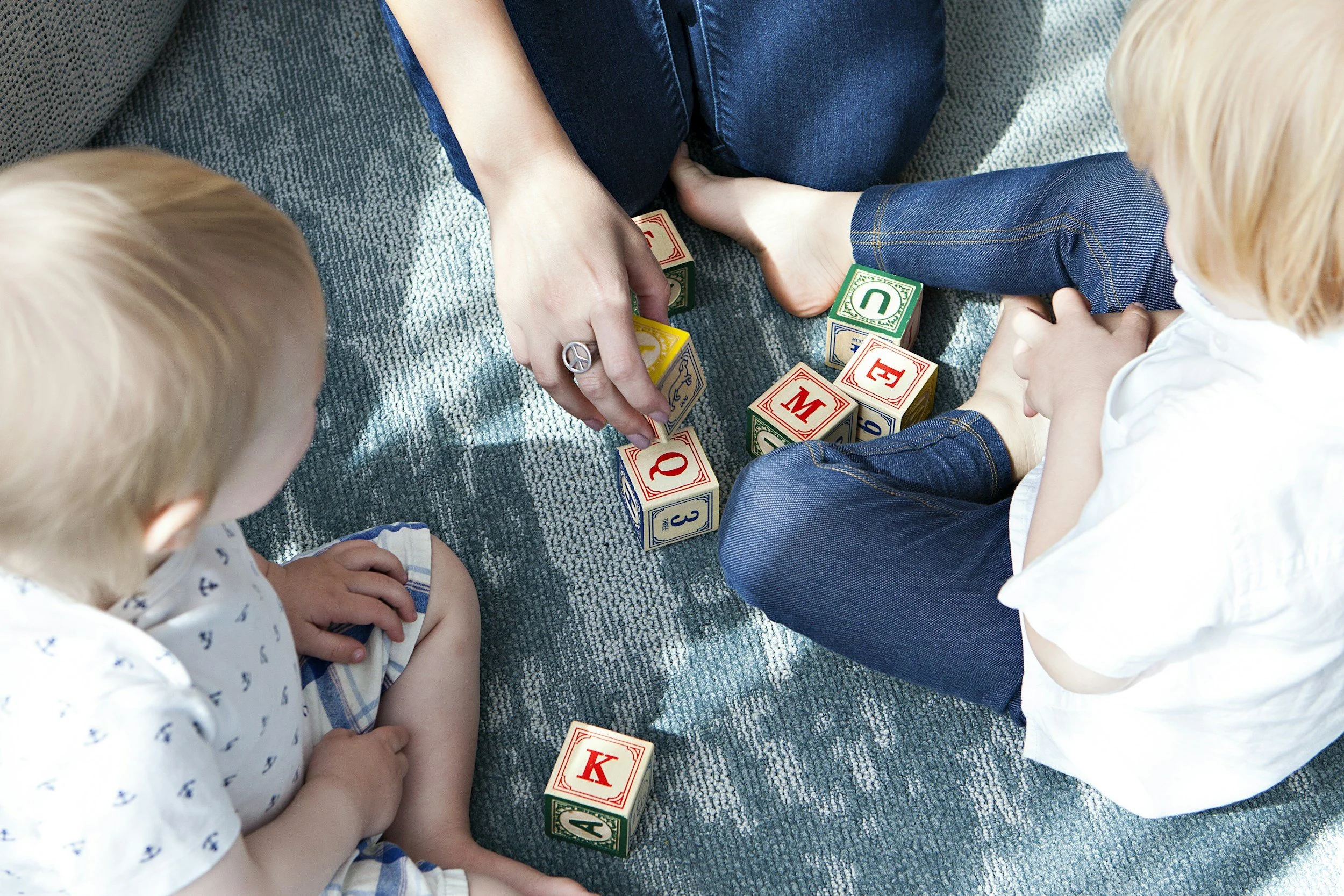
Developmental Curriculum
-
Children participate in activities that strengthen:
Cooperative play
Turn-taking
Friendship skills
Conversation
Group participation
Teamwork
-
Children participate in activities that strengthen:
Functional play
Constructive play
Pretend play
Imaginative play
Sociodramatic play
Motor activity
Cooperative play
Creative exploration
Sharing and turn-taking
-
Children participate in activities that strengthen:
Expressive language
Receptive language
Vocabulary
Asking/answering questions
Storytelling
Listening skills
-
Children participate in activities that strengthen:
Emotional regulation
Confidence
Coping skills
Frustration tolerance
Self-control
Resilience
-
Children participate in activities that strengthen:
Memory
Attention
Problem-solving
Critical thinking
Planning
Flexible thinking
-
Children participate in activities that strengthen:
Following directions
Classroom routines
Group learning
Independence
Executive functioning
Learning behaviors